
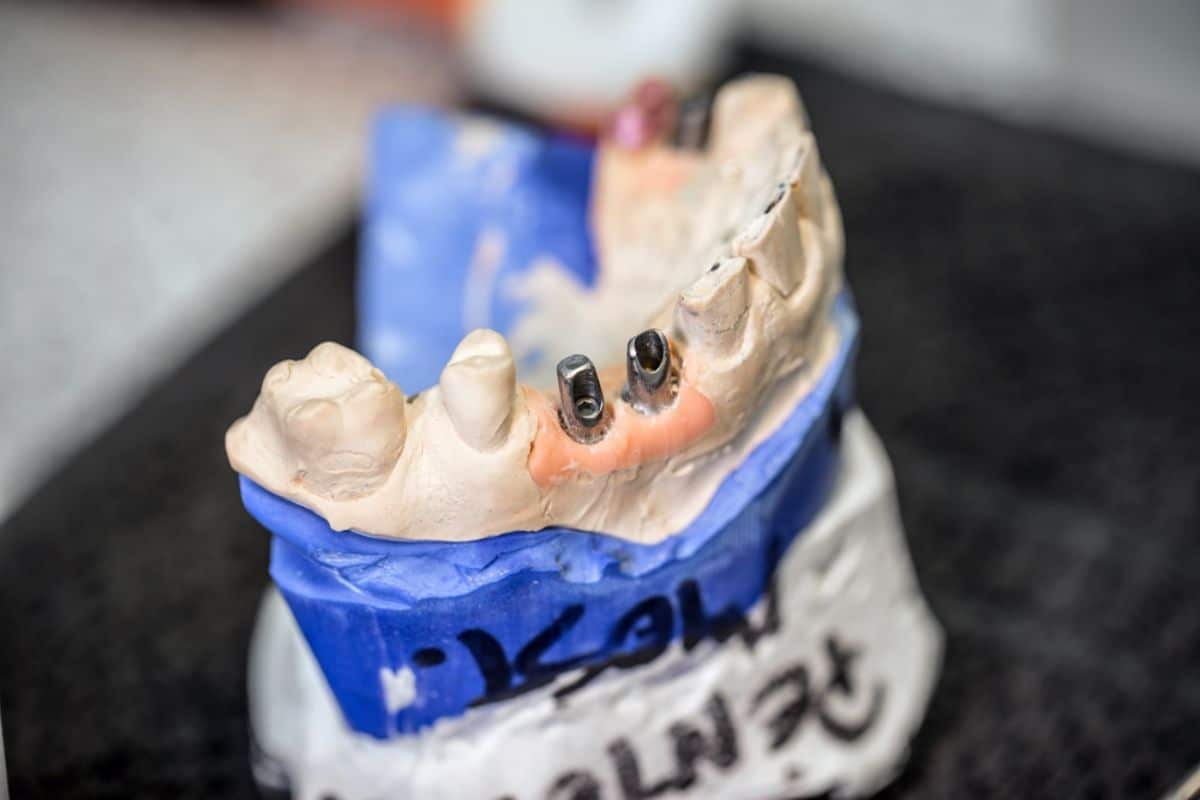
Losing a tooth can impact more than just your appearance, it can affect how you eat, speak, and even how you feel about yourself. Dental implants offer a permanent solution for your missing tooth that lasts long. Unlike bridges or removable dentures, implants are fixed securely into the jawbone and function much like natural teeth.
Studies have shown that implants have a high success rate of 95%. While implants have a strong track record of success, the facts cannot be denied that it works perfectly in every case. Certain conditions or habits can increase the chances of complications or even complete implant failure.
If you’re considering a dental implant or already have one, it’s worth understanding what can go wrong and how to avoid those problems. Continue reading the article.
How Do Dental Implants Fail?
Dental implant failure means the implant doesn’t properly attach to the bone or becomes loose over time. This can happen soon after surgery (early failure) or years later (late failure).
Some signs that something might be wrong include:
- Pain or discomfort around the implant
- Swelling or infection in the gums
- A loose or wobbly implant
- Difficulty chewing
Top 7 Reasons Of Dental Implants Failure
1. Poor Oral Hygiene
Even though it’s an artificial tooth, dental implants still need regular care. Skipping brushing and flossing can lead to an infection around the implant called peri-implantitis. This infection damages the gum and bone, and can cause the implant to loosen.
2. Inadequate Bone Support
Implants need a solid foundation to stay in place. If the jawbone is too thin or weak, the implant may not hold. This can happen if a tooth has been missing for a long time, or due to bone loss from gum disease or aging.
3. Smoking and Tobacco Use
Smoking slows down healing. It also affects blood flow to your gums, which can interfere with the implant bonding to the bone. Smokers have a much higher risk of implant failure, especially in the early stages.
4. Uncontrolled Medical Conditions
Health problems like diabetes or autoimmune diseases can make it harder for your body to heal after surgery. If these conditions aren’t managed properly, they can increase the risk of complications.
5. Poor Surgical Technique
If the implant isn’t placed correctly, it may not heal well or could become unstable later on. That’s why it’s important to work with a skilled and experienced dentist who specializes in implants.
6. Teeth Grinding (Bruxism)
Grinding your teeth puts a lot of pressure on your implant. Over time, this can damage the implant or the bone around it. People who grind their teeth often don’t realize it, so it’s important to get checked if you suspect this might be an issue.
7. Allergic Reactions or Material Sensitivities
Though rare, some people react to the materials used in implants—usually titanium. If you’ve had sensitivity to metals before, it’s a good idea to mention this to your dentist ahead of time.
What Should You Do If Your Implant Is Causing Problems?
If your implant is painful, loose, or just doesn’t feel right, don’t wait and hope it gets better. Here’s what you should do:
Contact your dentist right away. Don’t ignore discomfort, swelling, or bleeding. The sooner you act, the easier it is to treat the issue before it gets worse.
Avoid chewing on the implant side. This can prevent further damage until a professional can check it.
Keep the area clean. Continue brushing gently around the implant, and rinse with warm salt water if advised.
Bring up any medical changes. If you’ve started new medications or developed a health issue, let your dentist know. These changes can affect healing and implant health.
Follow up regularly. Sometimes small issues can be managed with simple adjustments or cleaning. Other times, further treatment is needed. Regular check-ups help catch problems early.
How to Prevent Dental Implant Failure
1. Commit to Good Oral Hygiene
Brush at least twice a day and floss once a day. Use a soft-bristled toothbrush and non-abrasive toothpaste. And don’t skip your dental check-ups—professional cleanings are important for keeping your gums and implants healthy.
2. Manage Chronic Health Conditions
If you have a health condition like diabetes, work closely with your doctor and dentist to keep it under control. Your dentist may need to coordinate with your physician before and after the implant procedure.
3. Quit Smoking
Quitting smoking before surgery and staying smoke-free afterward gives your implant the best chance of success. If you need help quitting, ask your dentist or doctor for support and resources.
4. Consider a Night Guard (if You Grind Your Teeth)
If you clench or grind your teeth—especially while sleeping—a custom night guard can protect your implant and other teeth. Your dentist can fit you for one based on your bite and needs.
5. Follow All Post-Surgical Instructions
After surgery, follow your dentist’s instructions carefully. This may include sticking to soft foods, avoiding alcohol and smoking, and keeping the area clean. These steps help your implant heal properly and reduce the risk of complications.
In Summary
Dental implants can last a long time and work well when properly cared for. Most failures can be traced back to preventable issues like poor hygiene, smoking, or unmanaged health problems. By understanding the risks and taking the right steps, you can set yourself up for a successful outcome.
Take care of your implant like you would a natural tooth—stay consistent with cleanings, be mindful of your health, and don’t ignore any discomfort. A little effort goes a long way in keeping your smile strong and healthy.