
While implants offer a long-lasting and natural-looking result, proper care is essential to ensure they remain in good condition for years to come. In this blog, we will explore how to care for dental implants, helping you maintain your oral health and extend the life of your implants.
Why Is Care for Implants Important?
Just like natural teeth, implants require regular care to prevent complications. Although the implant itself cannot decay, the surrounding gum tissue and bone need to stay healthy to support the implant. Poor oral hygiene can lead to gum disease, infection, and even implant failure. That’s why a consistent care routine is vital for long-term success.
Plan Your Daily Care Routine
- Brush Twice a Day
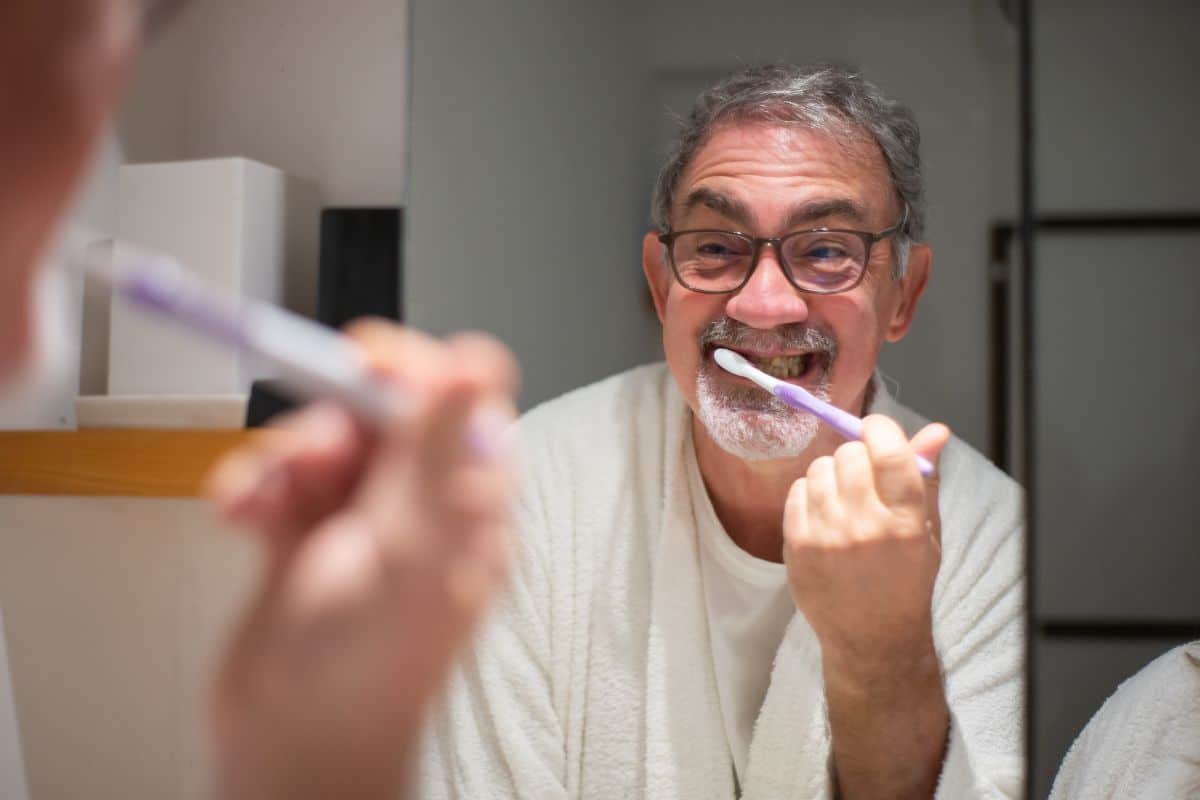
Brushing your teeth twice a day is the cornerstone of good oral hygiene, and it’s no different for dental implants. Use a soft-bristled toothbrush to clean around your implants gently. A soft brush helps to avoid damaging the surrounding gum tissue. Brush for at least two minutes, covering all surfaces of your teeth and implants.
- Use a Non-Abrasive Toothpaste
To avoid scratching the surface of your implant, choose a non-abrasive toothpaste. Toothpastes designed for sensitive teeth usually work well. Avoid whitening toothpastes that may be too harsh for your implants.
- Floss Daily
Flossing is crucial for cleaning between your teeth and around your implants. Special implant-specific floss or interdental brushes can help reach tight areas. This step removes food particles and plaque that your toothbrush might miss, preventing gum inflammation and infection.
- Rinse with an Antibacterial Mouthwash
Incorporating an antibacterial mouthwash into your routine can help reduce the risk of gum disease. Rinse your mouth with mouthwash after brushing and flossing to kill harmful bacteria and promote a healthy oral environment.
Additional Care Tips for Long-Term Success
- Regular Dental Checkups
If you live in Victorville, CA, visit your local dentist regularly is crucial for the health of your implants. During these visits, your dentist will check the condition of your implants and surrounding tissues. Professional cleanings can remove plaque buildup in areas that are hard to reach at home. It’s recommended to have a dental checkup at least twice a year.
- Avoid Hard or Sticky Foods
Although dental implants are strong, they are not indestructible. Avoid chewing on hard objects such as ice, hard candy, or pencils. Sticky foods like caramel can also pull on your implant or surrounding teeth, potentially loosening the crown or damaging the gum tissue.
- Quit Smoking
Smoking is one of the leading causes of implant failure. It reduces blood flow to your gums, making it harder for the tissue to heal after surgery. Quitting smoking can significantly improve the longevity of your implants and your overall oral health.
- Wear a Mouthguard if Necessary
If you grind your teeth at night, wearing a mouthguard can protect your implants and natural teeth from damage. Teeth grinding can put excessive pressure on your implants, potentially causing them to fail. Your dentist can help you find a custom mouthguard for optimal comfort and protection.
Recognizing Signs of Trouble
While dental implants are a highly successful treatment option, problems can still arise if proper care is not taken. It’s essential to be aware of any signs that could indicate an issue with your implant.
- Red, Swollen, or Bleeding Gums
If your gums become inflamed, swollen, or bleed when brushing, it could be a sign of peri-implantitis, a form of gum disease around the implant. Early detection and treatment are crucial to prevent more severe complications.
- Pain or Discomfort
After the implants is done, you should feel comfortable and natural once healed. If you experience any persistent pain or discomfort around the implant, schedule a visit with your dentist. Pain could indicate an infection or other problem that needs immediate attention.
- Implant Loosening
If your implant feels loose or moves when you bite, it could mean the implant is not properly integrated with the jawbone. This is a serious issue that requires professional evaluation to avoid implant failure.
Take Care Of Your Implants For Long-Term Functioning
Taking care of dental implants is not much different from caring for your natural teeth. By following a consistent daily care routine and visiting your dentist in Victorville CA regularly, you can ensure your implants last for many years. Remember to brush twice a day, floss daily, and avoid habits that may damage your implants. With proper care, dental implants can provide a lifetime of function and confidence.
Dental implants are an investment in your oral health and appearance, so giving them the attention they need is well worth the effort.