
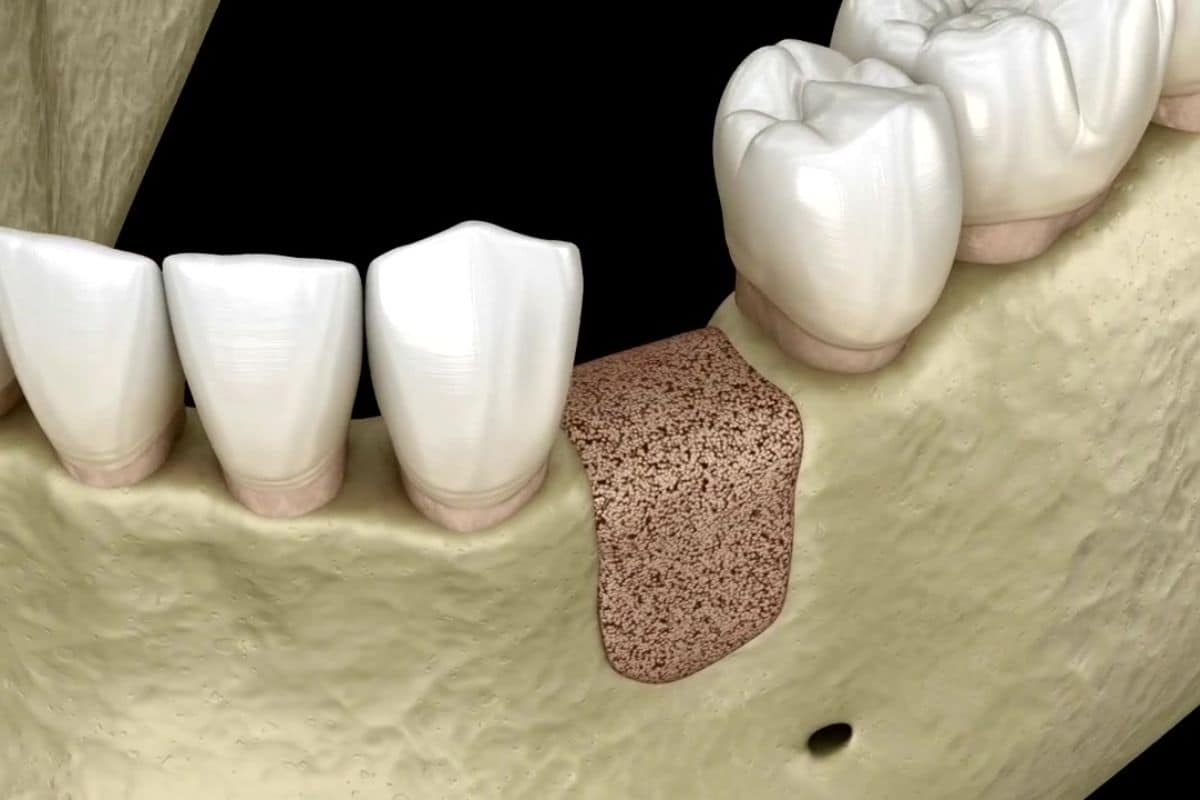
If you’re considering dental implants, you may have come across the term “bone graft.” It’s a procedure that often accompanies dental implants, particularly for people who have lost bone in their jaw. In this guide, we’ll explore what a bone graft is, why it’s sometimes needed, and what you can expect from the procedure. Understanding this step can make your journey toward a healthier, complete smile.
What is a Bone Graft?
A bone graft is a surgical procedure that repairs or rebuilds bones by adding bone tissue. It’s used to strengthen the jawbone so it can support the implant effectively. When a tooth is lost, the jawbone naturally starts to shrink or deteriorate in that area over time. This bone loss can make it difficult or impossible to place a dental implant without additional support.
By adding new bone to the area, a bone graft helps create a stable foundation for the implant. This additional bone material can come from different sources, such as your own body, a donor, or a synthetic substitute. Each type has its advantages, and your dentist will help you decide which option suits you best.
Why Do Some People Need Bone Grafts for Implants?
If you are considering dental implants in Victorville, it’s not necessary that you need a bone graft. The need depends on the condition of the jawbone. Here are a few common reasons why a bone graft might be recommended:
- Bone Loss Due to Tooth Loss: When a tooth is missing for a long time, the bone around that area can start to deteriorate.
- Gum Disease: Periodontal disease can lead to bone loss in the jaw, which makes it challenging to support a dental implant.
- Infections or Trauma: Some people lose jawbone density from injury, infection, or other trauma to the mouth area.
If the dentist finds that your jawbone lacks sufficient density or width to hold an implant securely, a bone graft may be recommended. This procedure increases the chance of a successful dental implant outcome by creating a strong, healthy foundation.
Types of Bone Grafts
There are several types of bone grafts, and your professional will choose the best option based on your needs and medical history. Here are the main types:
- Autograft – Bone is taken from another area of your body, usually the chin or hip. This type of graft is often preferred because it uses your own tissue, which can lower the risk of rejection and encourage faster healing.
- Allograft – Bone from a donor is used. This option is safe and effective and avoids the need for additional surgery to harvest bone from your body.
- Xenograft – Bone is sourced from animals, usually cows. The material is processed to make it safe and compatible with the human body.
Synthetic Grafts – These are artificial bone substitutes made of materials like calcium phosphate. They offer a good alternative for those who prefer not to use human or animal tissue.
What to Expect During a Bone Grafting Procedure
The bone grafting process is typically an outpatient procedure, and it can be done at a dental office or a surgical center. Here’s a general outline of what you can expect:
- Preparation and Anesthesia – Your dentist will administer anesthesia to keep you comfortable. Depending on the complexity of the graft, you might receive local anesthesia or be sedated for the procedure.
- Placing the Graft – The dentist will make a small incision in the gum to access the bone area and place the graft material. The graft is then secured and covered by the gum tissue.
- Stitches and Healing – The dental professional will stitch the incision closed, and the healing process begins. Over the next few months, the grafted bone will fuse with the existing bone, creating a stronger base.
The healing process for a bone graft typically takes several months, although it varies from person to person. During this period, it’s crucial to follow any care instructions provided by your dentist to support optimal healing.
Recovery and Aftercare Tips
Post-procedure care is essential to ensure a smooth recovery and successful bone graft integration. Here are a few tips to keep in mind:
- Avoid Smoking and Alcohol: Smoking and alcohol can interfere with healing, so it’s best to avoid these during recovery.
- Follow a Soft Diet: Eating soft foods helps reduce stress on the graft site. Avoid crunchy or hard foods that could irritate the area.
- Keep Up with Oral Hygiene: Good oral hygiene is essential, but be gentle around the graft area. Follow any specific cleaning instructions provided by your expert.
You may experience some swelling, discomfort, or mild pain following the procedure. Over-the-counter pain relievers are usually sufficient to manage these symptoms. If you have any concerns during recovery, don’t hesitate to contact your dental professional.
How Long After a Bone Graft Can You Get a Dental Implant?
A common question many people have is, “When can I get my dental implant after a bone graft?” The answer varies depending on how well your bone heals. Typically, it can take anywhere from three to nine months for the grafted bone to fuse and become strong enough for an implant. Your dentist will monitor the healing process and let you know when you’re ready for the next step.
Is Bone Grafting Worth the Wait?
While a bone graft adds time and an extra procedure before getting a dental implant, it’s often necessary for a successful and lasting implant. A strong jawbone foundation is crucial for the implant to hold securely and function like a natural tooth. Patients who have had bone grafts usually find the wait worthwhile, as it contributes to a more stable and durable implant.
Conclution
Bone grafting can be an important step in achieving a stable and lasting dental implant. For patients with bone loss or other conditions that affect the jawbone, it offers a way to enjoy the benefits of implants even if the jaw initially lacks the necessary density. Whether you’re starting with your research or are ready to speak with a professional, consulting a dentist in Victorville, CA about bone grafting options can help you make an informed decision.
Understanding what to expect from bone grafting can help you feel more comfortable and prepared. Remember, every patient’s journey is unique, and your dentist will work with you to determine the best path for a healthy, confident smile.