
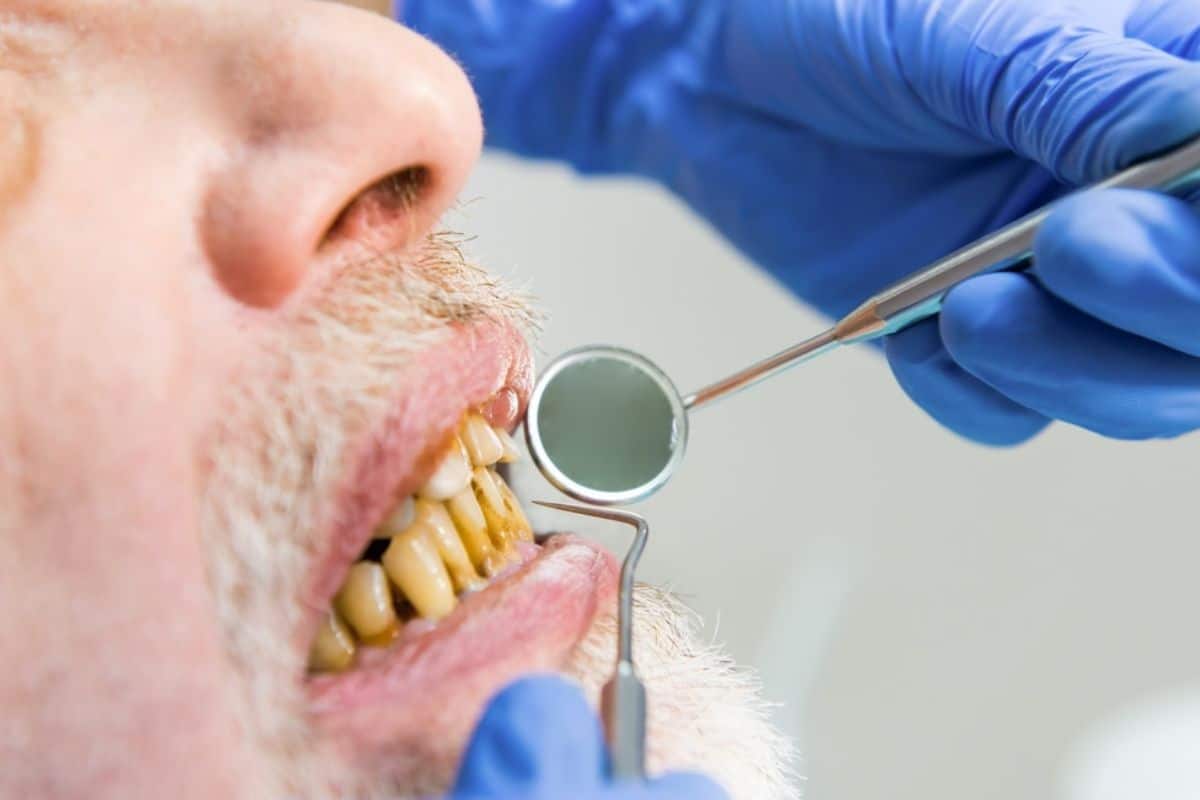
Tooth color can change for several reasons, and it doesn’t always happen the same way. Sometimes it’s a subtle darkening over time. Other times, it’s one tooth that stands out from the rest. In either case, there’s usually an underlying cause and it’s not always about surface stains.
From diet and habits to changes inside the tooth itself, discoloration can be linked to a number of factors. Some are easy to manage, some may need a closer look from your dentist.
In this post, we’ll go over the most common reasons teeth change color and what can be done to restore your natural smile.
Common Reasons Teeth Change Color
There isn’t just one reason a tooth might look different. Here are some of the most common causes:
1. Staining from Foods or Drinks
Coffee, tea, red wine, and certain sauces can stain the outer layer of your teeth over time. These surface stains usually affect multiple teeth and can be improved with a professional cleaning or whitening.
2. Tobacco Use
Both smoking and chewing tobacco can cause teeth to turn yellow or brown. The stains tend to be deeper and harder to remove with regular brushing.
3. Tooth Injury or Trauma
If a single tooth is turning gray or darker than the rest, it could be from a past injury. Trauma can damage the blood vessels inside the tooth, and over time, that can lead to internal discoloration.
4. Tooth Decay
Sometimes a darker spot is more than just a stain—it might be a sign of decay. Cavities or internal breakdown can cause a tooth to appear brown or black, especially if it’s been progressing for a while.
5. Aging
As we get older, the enamel on our teeth naturally wears down. This can make teeth appear more yellow as the layer underneath (called dentin) becomes more visible.
6. Previous Dental Work
Metal fillings, especially older ones, can sometimes give a tooth a darker appearance over time. The color change isn’t usually harmful, but if the filling is breaking down, it may need attention.
When to Be Concerned About Tooth Discoloration
A mild color change that affects several teeth may not be urgent. But if you notice one tooth looking gray, dark, or even bluish, it’s worth bringing up at your next dental visit.
Some discoloration, especially after trauma or decay, can be a sign that the nerve inside the tooth is damaged. In that case, your dentist will likely recommend an exam and X-ray to check what’s going on inside the tooth.
What Can You Do About It?
How we treat tooth discoloration depends on the cause. Here are a few options:
1. Professional Cleaning: For surface stains from food or drinks, a good cleaning might be all you need to brighten things up.
2. Whitening Treatments: If stains go deeper, a take-home or in-office whitening treatment can help restore your smile’s brightness.
3. Restorative Treatment: If discoloration is caused by decay or internal damage, your dentist may recommend a filling, crown, or in some cases, a root canal to treat the underlying issue.
4. Cosmetic Options: For teeth that are discolored but healthy, cosmetic bonding or veneers can offer a long-term solution to even out your smile.
Your dentist will help you decide what makes the most sense based on the condition of the tooth and your overall dental health.
Tips to Help Prevent Tooth Discoloration
While not all color changes are preventable, a few everyday habits can help protect your smile:
- Rinse your mouth with water after drinking coffee, tea, or wine
- Brush twice a day with a fluoride toothpaste
- Floss daily to remove plaque that leads to staining
- Avoid smoking or using tobacco products
- Keep up with regular dental cleanings and checkups
A Healthy Smile Starts with Paying Attention
If one of your teeth has started to change color or your whole smile just looks a little less bright, it’s worth getting it checked out. Sometimes it’s just staining. Other times, it could be something that needs treatment.
At Kelly Smile Dentistry, we’re here to help. Contact us by scheduling an appointment, and we’ll take a closer look to find out what’s going on and how we can help you feel confident in your smile again.