
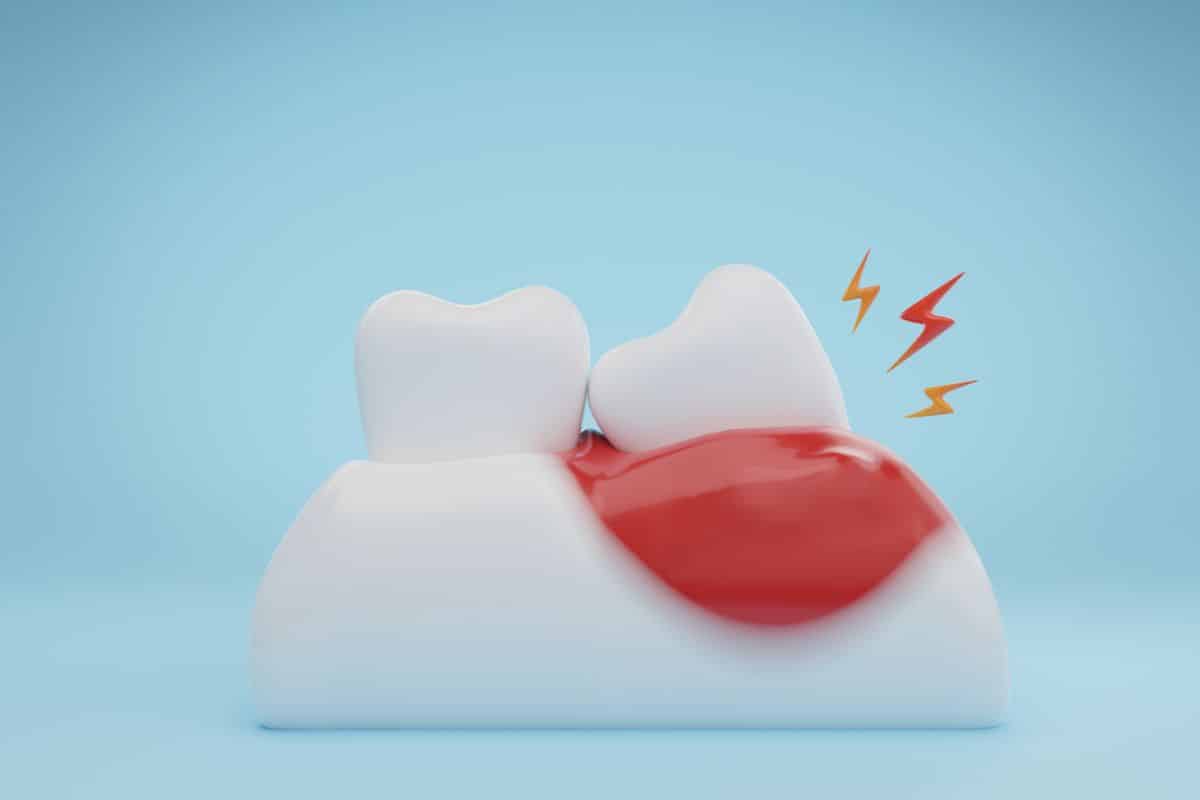
One day in the morning you wake up and find that your gums are swollen? or Your gums are bleeding when you are brushing your teeth? You’re not alone. This issue can happen to anyone. While it may seem like a minor inconvenience at first, it’s important to pay attention to the signs.
According to a study, nearly 42% of adults aged 30 and older have periodontitis, with approximately 8% experiencing the severe form of the disease.
Rather than just browsing “Why are my gums swollen?” online, it’s always best to consult with a dentist to get an accurate diagnosis. Let’s dive deeper into why this happens and what you can do about it.
Common Causes of Swollen and Bleeding Gums
If you’ve been asking yourself “why are my gums swollen and bleeding?”, it’s likely due to one or more of these common causes:
- Gum Disease (Gingivitis or Periodontitis): It is one of the most common reasons your gums are swelling and bleeding. Gingivitis is the mildest form, but if it’s left untreated, it can progress to periodontitis.
- Poor Oral Hygiene: If you don’t brush or floss regularly, plaque and tartar will build-up in teeth gaps. This can irritate your gums and cause inflammation and bleeding around.
- Medications: Some medications, especially blood thinners, can increase the likelihood of gum bleeding. Medical conditions like vitamin deficiencies or hormonal changes may contribute to gum issues.
- Pregnancy or Hormonal Changes: Hormonal changes during pregnancy often make your gums more sensitive, leading to swelling and bleeding.
- Tobacco Use: Smoking and chewing tobacco irritate the gums and can cause them to become swollen and bleed.
- Infections: If you’ve had a recent oral infection or injury, your gums might react by swelling up and bleeding as part of the body’s healing process.
Is My Gum Swollen Due to Infection?
Wondering if your swollen gums are a result of an infection? Here are some red flags that could indicate an infection:
- Bleeding gums while brushing or flossing
- Pain in the swollen area
- Pus or discharge from the gums
- Persistent bad breath (halitosis)
Gum infections can lead to more serious issues, like tooth decay, gum recession, or even tooth loss. It’s important to address these symptoms as soon as they appear.
How to Treat an Infection in Your Gums
If your gums are infected, seeing a dentist for professional treatment is important. Your dentist may recommend:
- Scaling and Root Planning: A deep cleaning procedure removes plaque and tartar that buildup beneath the gumline.
- Antibiotics: If an infection is present, your dentist may prescribe antibiotics to clear the infection and prevent it from spreading.
- Gum Surgery: In severe cases, surgery may be needed to treat advanced gum disease and repair damage to the gums or bone.
Early intervention is key in preventing gum infections from progressing to a stage where more invasive treatments are needed.
At-Home Care Tips for Swollen Gums
If you’re noticing swelling or mild bleeding in your gums, you can try these simple at-home remedies to help reduce discomfort:
- Brush and Floss Gently: Even though your gums might feel warmer, it’s important to keep brushing and flossing. Brush around the swollen areas. It will remove food particles and plaque.
- Saltwater Rinse: A warm saltwater rinse can help reduce swelling, kill bacteria, and soothe your gums. Do this 2-3 times a day for relief.
- Cold Compress: Applying a cold compress to the outside of your mouth can help reduce inflammation and numb the discomfort.
- Pain Relief: Over-the-counter pain relievers can help manage any discomfort while you wait to see a dentist.
If these at-home methods don’t help, or if your symptoms continue to worsen, make sure to visit a dental practice for an evaluation.
How Long Will It Take for My Swollen Gums to Heal?
Swollen gums often start to feel better within a few days if treated early. However, if the swelling lasts more than a few days, it’s time to see a dentist. Persistent swelling can signal a more serious condition that needs professional treatment.
See a Dentist About Your Swollen and Bleeding Gums
If you’re struggling with swollen and bleeding gums, it’s time to consult with a dentist. Delaying treatment can lead to more significant oral health issues. Don’t wait for the problem to worsen.
If you’re in need of a dentist in Victorville, we are here to help. Our experienced team specializes in gum care and can provide the treatments you need to restore your gum health.
Contact us today at 760-946-6850 to schedule your appointment and take the first step toward healthier gums!