
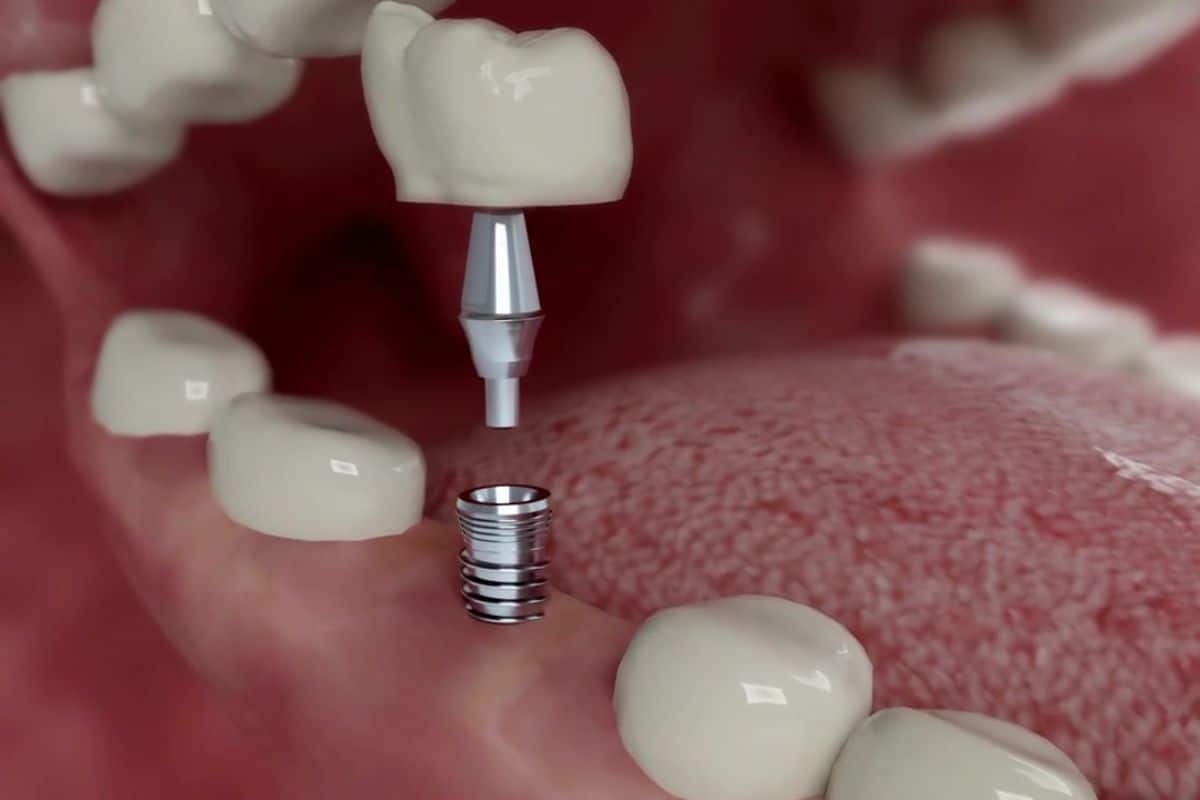
Dental implants are a popular and effective solution for replacing missing teeth, offering durability, functionality, and a natural appearance. If you’re considering them, you might encounter terms like “implant abutment” during your consultation. While the process of getting implants may seem complex, understanding the components involved can make the experience clearer and less intimidating.
One key part of an implant is the abutment. In this blog, we’ll explain what an implant abutment is, its role in the implant process, the materials it’s made from, and what to expect during the procedure.
Understanding the Basics of Dental Implants
Before diving into implant abutments, it’s essential to understand the structure of a dental implant. A complete implant consists of three main parts:
The implant post, a titanium or zirconia screw that is surgically placed in the jawbone to act as an artificial tooth root.
The abutment, a connector that attaches the implant post to the replacement tooth or crown.
The crown, the visible part of the tooth that restores the appearance and function of the missing tooth.
Each part plays a vital role in creating a stable, durable, and natural-looking tooth replacement. The abutment is the middle piece, connecting the implant post to the crown and ensuring the new tooth stays securely in place.
What Is an Implant Abutment?
An implant abutment is a small component that serves as a bridge between the implant post and the artificial tooth. After the implant post is securely anchored in the jawbone and the healing process is complete, the abutment is attached to the top of the post. The crown, bridge, or denture is then affixed to the abutment.
Abutments are custom-designed to fit each patient’s dental anatomy and the type of restoration they need. Their role is critical in ensuring the stability and aesthetics of the final result. Without the abutment, the crown cannot be securely attached, and the implant would fail to function as a replacement tooth.
Types of Implant Abutments
Different types of abutments are used depending on the specific needs of the patient. These include:
- Stock Abutments
Stock abutments are pre-made components available in various sizes and shapes. They are often used in straightforward cases where customization is not necessary. While they are more affordable, they may not provide the perfect fit that custom abutments offer.
- Custom Abutments
Custom abutments are individually designed to match the exact dimensions of a patient’s implant and crown. They provide a more precise fit and often result in better aesthetics and functionality. These abutments are ideal for cases where the position or angle of the implant requires special adjustments.
- Temporary Abutments
Temporary abutments are used during the healing phase after the implant post is placed. They help maintain the shape of the gums and prepare the site for the final restoration.
Materials Used for Implant Abutments
Implant abutments are made from biocompatible materials to ensure safety and durability. The most commonly used materials include:
- Titanium: Titanium abutments are strong, durable, and widely used due to their compatibility with the body. They are ideal for posterior teeth, where strength is a priority.
- Zirconia: Zirconia abutments offer a natural tooth-like color, making them a popular choice for front teeth. They combine durability with aesthetics, ensuring a seamless appearance.
The choice of material depends on factors like the location of the implant, the patient’s preferences, and the dentist’s recommendations.
The Process of Attaching an Implant Abutment
Getting an implant abutment is typically straightforward and involves several steps:
- Healing Period: After the implant post is placed in the jawbone, a healing period of several months allows the bone to integrate with the implant. This process, called osseointegration, ensures a strong and stable foundation.
- Placing the Abutment: Once the implant has fully integrated, the dentist exposes the top of the implant post and attaches the abutment. This step may involve minor surgery, but it is usually quick and done under local anesthesia.
- Crown Placement: After the gums heal around the abutment, the final crown, bridge, or denture is secured on top, completing the restoration process.
Contact Kelly Smile Dentistry in Victorville
We are committed to helping patients achieve lasting, beautiful smiles through advanced procedures of dental implants in Victorville. Whether you need a single tooth replacement or a full-mouth restoration, our experienced team provides personalized care tailored to your needs. Schedule a consultation today or visit our dental clinic located near Victorville, CA 92395 learn how we can help you restore your confidence and oral health with expertly crafted dental solutions.