
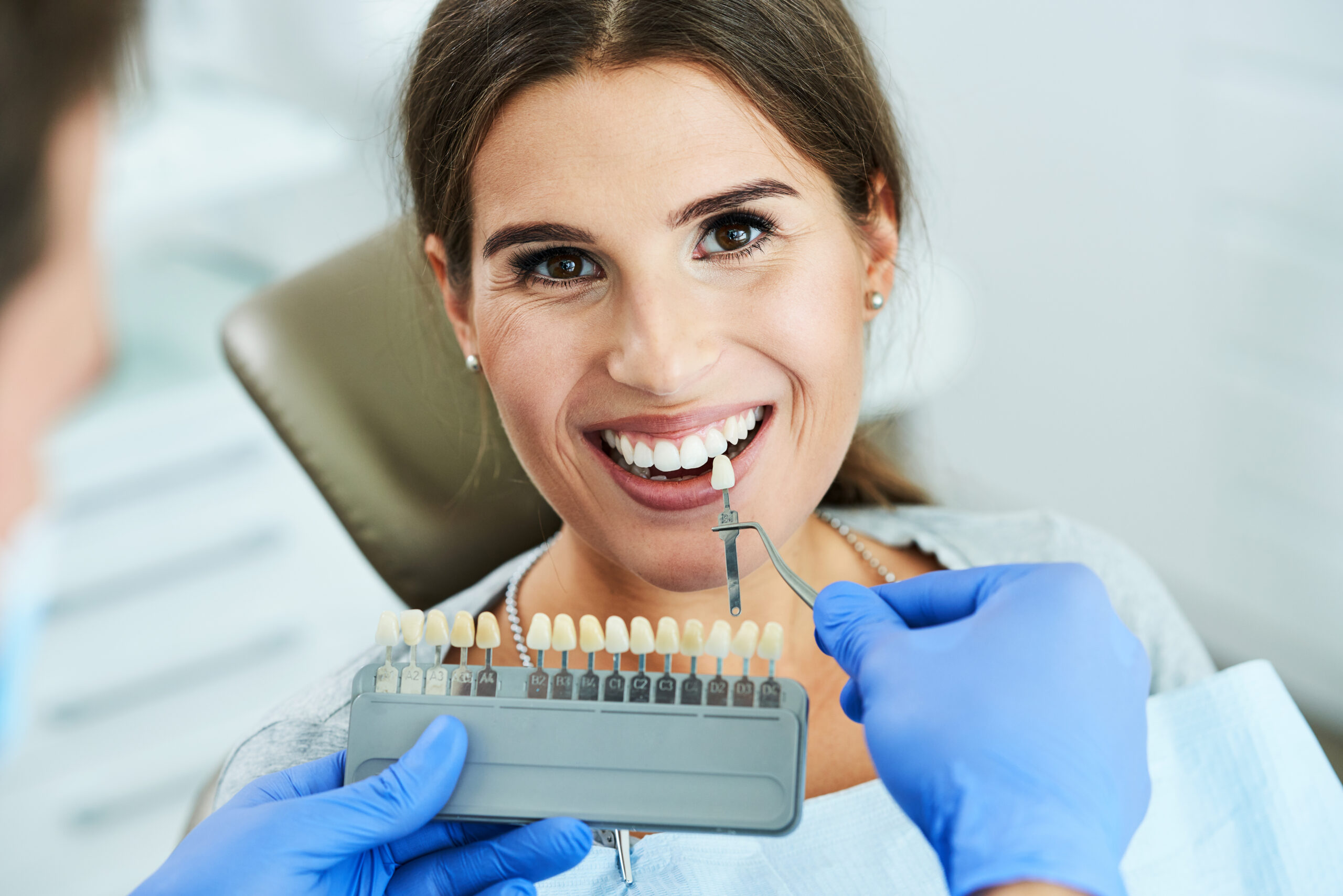
If you want a brighter, more even smile, you have options. Two of the most popular cosmetic treatments are veneers and dental bonding. Understanding veneers vs. bonding — which actually lasts longer and costs less in Victorville — helps you make a confident, informed decision. Both treatments can dramatically improve your smile, but they work differently and suit different needs. This guide breaks down the key differences so you can choose wisely.
What Are Veneers and Dental Bonding?
Veneers are thin shells of porcelain or composite resin. A dentist bonds them to the front surface of your teeth. They cover chips, stains, gaps, and uneven shapes. Porcelain veneers are custom-made in a dental lab for a precise, natural fit.
Dental bonding uses a tooth-colored composite resin applied directly to the tooth. The dentist sculpts and hardens it with a special light. Bonding can fix minor chips, cracks, discoloration, and small gaps. It typically requires just one visit to complete.
Both treatments fall under Cosmetic Dentistry Victorville Ca Victorville, and both can transform your smile. However, the right choice depends on your specific goals, budget, and tooth condition.
Veneers vs. Bonding: Cost Comparison in Victorville
Cost is often the deciding factor for patients. Dental bonding is generally the more affordable option upfront. Each tooth typically costs a fraction of what porcelain veneers cost. For budget-conscious patients, bonding offers immediate cosmetic improvement.
Porcelain veneers carry a higher initial investment per tooth. However, their longevity can make them more cost-effective over time. Replacing bonding every five to seven years adds up. Veneers that last fifteen or more years may actually cost less in the long run.
- Dental bonding: Lower upfront cost per tooth
- Porcelain veneers: Higher initial cost, but longer-lasting value
- Composite veneers: Mid-range cost, similar durability to bonding
- Long-term view: Veneers often win on total cost over a decade
At Kelly Smile Dental in Victorville, we discuss your budget openly. We help you find the treatment that makes financial and clinical sense for your unique situation.
Which Treatment Lasts Longer?
Longevity is where veneers and bonding differ most significantly. Dental bonding typically lasts five to seven years with proper care. Porcelain veneers can last fifteen to twenty-five years when maintained well. That is a substantial difference in durability.
Bonding material is more prone to staining and chipping over time. It can absorb pigments from coffee, tea, and red wine. Porcelain is highly stain-resistant and maintains its color for years. This makes veneers a better long-term investment for many patients.
- Dental bonding lifespan: 5–7 years on average
- Composite veneers lifespan: 5–10 years with good care
- Porcelain veneers lifespan: 15–25 years with proper maintenance
- Factors affecting lifespan: oral hygiene, diet, teeth grinding, and bite habits
Patients who grind their teeth may wear down bonding faster. A night guard can help protect either treatment. Your dentist at Kelly Smile Dental will assess your bite and recommend the right protection.
Invasiveness: How Much Tooth Structure Is Removed?
This is a critical factor many patients overlook. Dental bonding is the least invasive cosmetic option available. It requires little to no removal of natural tooth enamel. In most cases, bonding is completely reversible.
Traditional porcelain veneers require the dentist to remove a thin layer of enamel. This prepares the tooth surface for proper veneer adhesion. Because enamel does not grow back, this process is considered irreversible. However, no-prep or minimal-prep veneers are now available for select candidates.
If preserving as much natural tooth structure as possible matters to you, bonding may be preferable. Discuss your concerns openly with your Victorville dentist. We tailor every treatment plan to minimize unnecessary changes to your natural teeth.
Which Option Is Right for Your Smile Goals?
Choosing between veneers and bonding depends on several personal factors. Consider how extensive the cosmetic issue is that you want to correct. Minor chips and small stains respond very well to bonding. Larger imperfections, multiple teeth, or dramatic color changes may need veneers.
Think about your long-term commitment to dental care. Veneers reward patients who maintain excellent oral hygiene. Bonding works well for patients wanting a quick fix with flexibility to change later. Both options require regular checkups and cleanings to perform their best.
At Kelly Smile Dental, we also offer a full range of treatments beyond cosmetic work. If your smile concerns involve missing teeth, our team provides Dental Implants Victorville Ca All On 4 Reg Treatment Concept Victorville to restore both function and appearance. We take a comprehensive approach to every patient’s smile.
Here is a quick summary to guide your decision:
- Choose bonding if: You want a fast, affordable, reversible fix for minor issues
- Choose veneers if: You want long-lasting, stain-resistant results for multiple teeth
- Ask your dentist if: You are unsure which issue — cost, longevity, or invasiveness — matters most to you
Your Next Step Toward a Better Smile in Victorville
Both veneers and bonding can give you a smile you are proud to show off. The right choice comes down to your goals, timeline, and tooth condition. There is no single correct answer for everyone. A qualified cosmetic dentist can evaluate your teeth and provide a personalized recommendation.
At Kelly Smile Dental in Victorville, CA, we make it easy to explore your options. We combine clinical expertise with a friendly, educational approach to care. Our team listens to your concerns and never pressures you into a treatment. We are here to help you understand every step of your smile journey.
Ready to find out which treatment is right for you? Book Now to schedule your appointment with our team.
Frequently Asked Questions
Is dental bonding painful?
Dental bonding is generally painless and requires no anesthesia for minor repairs. The dentist applies composite resin directly to the tooth surface. You may feel some sensitivity afterward, but it fades quickly. Most patients return to normal activities immediately after the appointment.
Can veneers be removed if I change my mind?
Traditional porcelain veneers are considered a permanent treatment because enamel is removed during preparation. Once enamel is gone, it cannot be restored, so veneers are not reversible. However, minimal-prep and no-prep veneers are available for select candidates and involve less alteration. Ask your dentist at Kelly Smile Dental whether you qualify for a less invasive option.
How do I maintain dental bonding or veneers?
Both treatments benefit from consistent oral hygiene including brushing twice daily and flossing regularly. Avoid biting hard objects like ice, fingernails, or pen caps. Limit staining foods and drinks, especially with bonding, which is more prone to discoloration. Schedule regular professional cleanings to keep either treatment looking its best.
How long does each procedure take?
Dental bonding typically takes thirty to sixty minutes per tooth and is completed in a single visit. Porcelain veneers usually require two appointments — one for preparation and one to place the finished veneers. Composite veneers may be done in one visit depending on the case. Your Victorville dentist will outline the exact timeline during your consultation.
Who is a good candidate for veneers vs. bonding?
Bonding suits patients with minor chips, small gaps, or surface stains who want a quick and affordable solution. Veneers work best for patients with more significant discoloration, multiple teeth to address, or a desire for longer-lasting results. Patients with gum disease or severe tooth decay must address those issues first. A thorough exam at Kelly Smile Dental helps determine which option fits your oral health and cosmetic goals.