
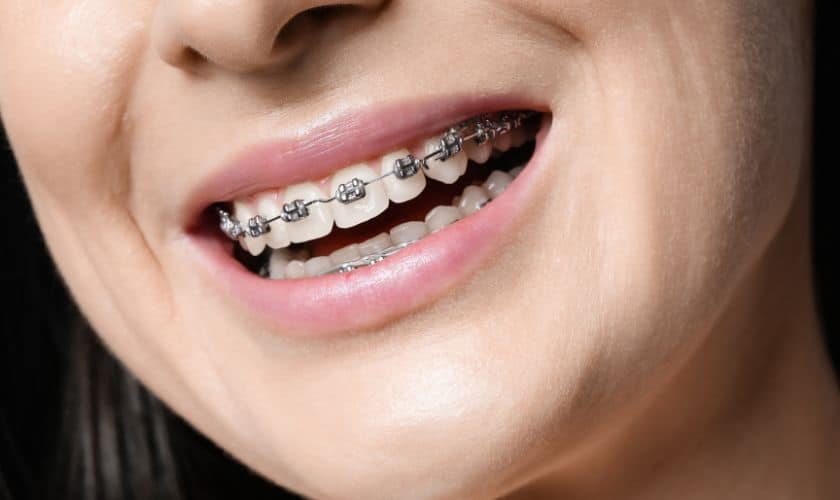
Embarking on the journey of wearing braces is a transformative experience that often comes with its share of initial discomfort and soreness. Understanding how to manage and alleviate these temporary challenges is essential for a smoother orthodontic experience. In this article, we’ll explore ten practical tips to help you deal with braces discomfort, ensuring that your path to a straighter smile is as comfortable and stress-free as possible.
- Orthodontic Wax Application:
- When braces wires or brackets cause irritation, applying orthodontic wax can provide a protective barrier, preventing them from rubbing against the sensitive tissues of your mouth.
- Cold Compresses for Swelling:
- To alleviate soreness and reduce swelling, applying a cold compress externally to the affected areas can provide relief. This simple technique can help numb the discomfort.
- Over-the-Counter Pain Relief:
- Non-prescription pain relievers like ibuprofen or acetaminophen can be effective in managing the initial soreness associated with braces. Always follow recommended dosage guidelines.
- Orthodontic-Friendly Soft Foods:
- In the first few days after adjustments or initial placement, opt for soft foods that are easy to chew. This helps minimize pressure on your teeth and gums, reducing discomfort.
- Warm Saltwater Rinses:
- Gargling with a warm saltwater solution can help soothe oral tissues and reduce inflammation. Incorporate this into your daily oral hygiene routine for added relief.
- Orthodontic Brace Relief Gel:
- Specially formulated gels designed for braces can be applied to provide a temporary numbing effect, offering relief from soreness and discomfort.
- Orthodontic Mouthwash:
- Some mouthwashes are specifically created for individuals with braces, offering relief and promoting overall oral health. Incorporate an orthodontic mouthwash into your daily routine.
- Orthodontic Silicone Chewing Products:
- Chewing on orthodontic silicone products designed for this purpose can provide a safe outlet for pressure, reducing soreness and helping you adjust to your braces.
- Distraction Techniques:
- Engage in activities that divert your attention from the discomfort, such as listening to music, watching a movie, or practicing relaxation techniques. Keeping your mind occupied can make the adjustment period more manageable.
- Regular Dental Check-ups:
- Schedule regular check-ups with your orthodontist to address any concerns or discomfort promptly. They can make necessary adjustments and ensure your braces are on track for a successful outcome.
By incorporating these tips into your routine and maintaining open communication with your orthodontic team, you can navigate the initial discomfort of braces with greater ease. Remember that this phase is temporary, and the long-term benefits of achieving a straighter smile are well worth the momentary soreness.