
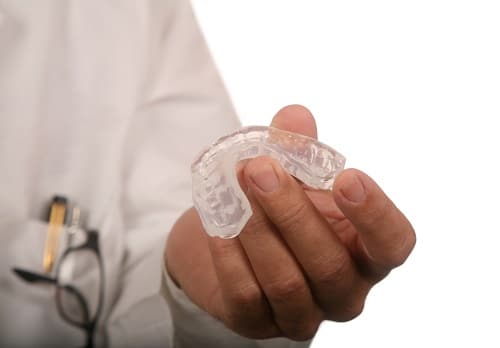
Times You Should Not Wear a Mouthguard
Mouthguards are commonly used to protect teeth and gums from injury during sports and other activities. They are essential in many situations, but there are times when wearing a mouthguard might not be appropriate or necessary. In this blog, we will discuss the circumstances when it is better to skip the mouthguard.
Understanding the Purpose of Mouthguards
Before we dive into when not to wear a mouthguard, let’s first understand their primary purpose. Mouthguards are designed to:
- Prevent Dental Injuries: They act as a cushion, absorbing the impact that could otherwise cause broken teeth, cut lips, and other mouth injuries.
- Protect Braces: For those with orthodontic braces, mouthguards can help protect the braces and the inside of the mouth from damage.
- Aid in Bruxism: Some mouthguards are used at night to prevent teeth grinding, known as bruxism.
Knowing when to use a mouthguard is crucial, but equally important is knowing when to avoid them. Here are the key situations when you should not wear a mouthguard.
1. During Regular Eating
Wearing a mouthguard while eating regular meals is unnecessary and impractical. Mouthguards are designed for protection during high-impact activities, not for daily eating habits. Eating with a mouthguard can:
- Cause Discomfort: The mouthguard can make chewing difficult and uncomfortable.
- Increase Wear and Tear: Food particles can get stuck in the mouthguard, leading to wear and tear, and potentially causing bacterial growth.
2. When Not Engaged in High-Impact Sports
Mouthguards are essential during high-impact sports like football, hockey, and boxing. However, they are not needed for non-contact sports or activities that do not pose a risk of dental injury, such as:
- Running or Jogging: These activities do not usually involve physical contact that could harm your teeth.
- Swimming: There is minimal risk of dental injury in swimming, making a mouthguard unnecessary.
3. While Sleeping (If Not for Bruxism)
Some people use mouthguards at night to prevent teeth grinding. However, if you do not suffer from bruxism, wearing a mouthguard while sleeping is unnecessary and can even be uncomfortable. Sleeping with a mouthguard without the need for it can:
- Disrupt Sleep: It can cause discomfort and make it harder to get a good night’s rest.
- Lead to Oral Hygiene Issues: Prolonged use without proper cleaning can lead to bacterial buildup and oral hygiene problems.
4. During Normal Daily Activities
Daily activities such as working at a desk, walking, or light chores at home do not require the use of a mouthguard. Wearing a mouthguard in these scenarios can be impractical and uncomfortable. Instead, focus on wearing them only during activities that pose a risk to your teeth.
5. If You Have Certain Dental Conditions
Certain dental conditions might make wearing a mouthguard inappropriate. For instance:
- Severe Gum Disease: Wearing a mouthguard can exacerbate gum issues and cause more harm than good.
- Loose Teeth or Dental Work: If you have recently had dental work or have loose teeth, a mouthguard might not fit properly and could cause discomfort or further damage.
Proper Use and Maintenance of Mouthguards
While it’s important to know when not to wear a mouthguard, proper use and maintenance are also crucial. Here are some tips to ensure your mouthguard remains effective and hygienic:
- Clean Regularly: After each use, clean your mouthguard with a toothbrush and toothpaste or mild soap and water.
- Store Properly: Keep your mouthguard in a sturdy, ventilated case to prevent damage and bacterial growth.
- Replace When Necessary: Mouthguards can wear out over time. Replace them when they become worn or no longer fit properly.
Consulting Your Dentist
If you are unsure about when to wear a mouthguard, consulting your dentist can provide you with personalized advice. They can help determine if a mouthguard is necessary for your specific activities and dental conditions. They can also ensure that the mouthguard fits properly and is comfortable to wear.
A dentist can also guide you on the best practices for maintaining your mouthguard and keeping your teeth healthy. Regular check-ups can help identify any issues early and keep your dental health in top shape.
In Summary
Mouthguards play a crucial role in protecting your teeth during high-risk activities, but there are times when they are not necessary. Avoid wearing a mouthguard during regular eating, non-contact sports, daily activities, and if you do not have conditions like bruxism. Always consult with your dentist in Victorville for the best advice tailored to your needs. By using mouthguards appropriately and maintaining them properly, you can ensure your teeth stay safe and healthy.