
The loss of natural teeth not only affects our ability to chew and speak but can also have significant consequences for the underlying jawbone structure. One of the key solutions to prevent jawbone deterioration is the use of dental implants. In this blog post, we’ll delve into the crucial role dental implants play in preserving jawbone health and the overall benefits they bring to individuals facing tooth loss.
Understanding Jawbone Deterioration:
To comprehend the role of dental implants in preventing jawbone deterioration, it’s essential to first understand how the natural teeth contribute to bone health. The stimulation from biting and chewing sends signals to the jawbone, promoting the continuous regeneration of bone tissue. When teeth are lost, this stimulation diminishes, leading to bone resorption or deterioration.
Dental Implants: Mimicking Natural Teeth:
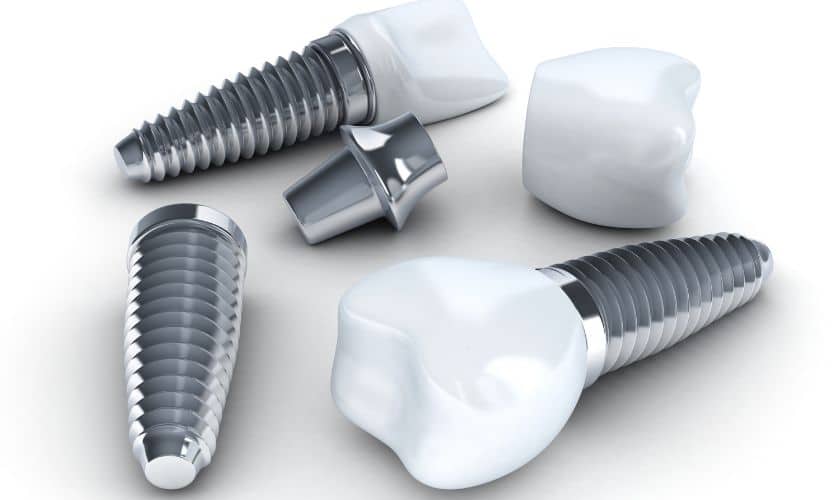
Dental implants are designed to replicate the function of natural teeth more closely than any other tooth replacement option. Composed of a titanium post surgically implanted into the jawbone, an abutment, and a crown, dental implants provide a comprehensive replacement that mimics the natural tooth structure, including the root.
Osseointegration: The Key to Stability:
The success of dental implants hinges on a process called osseointegration. Once the implant is placed in the jawbone, the surrounding bone tissue fuses with the titanium post, creating a stable and secure foundation. This fusion not only anchors the implant firmly but also stimulates the bone, preventing the degeneration that typically follows tooth loss.
Preventing Bone Resorption:
The ongoing stimulation provided by dental implants during activities like chewing and biting helps maintain the health and density of the jawbone. This preventative effect is crucial in avoiding bone resorption, which can lead to changes in facial appearance, difficulty fitting dentures, and overall oral health complications.
Long-Term Stability and Oral Health:
Dental implants offer a long-term solution for preventing jawbone deterioration, providing stability and support for neighboring teeth. Unlike traditional dentures or bridges, implants act independently and do not rely on adjacent teeth for support, minimizing the risk of additional tooth loss and preserving the overall oral structure.
Additional Benefits of Dental Implants:
- Enhanced Functionality: Dental implants restore the ability to bite and chew with confidence, allowing for a more varied and nutritious diet.
- Improved Aesthetics: Implants look and feel like natural teeth, preserving facial aesthetics and providing a natural smile.
- Speech Improvement: Stability from dental implants helps maintain proper tongue and speech patterns, preventing slurring or mumbling.
Conclusion:
In conclusion, dental implants play a pivotal role in preventing jawbone deterioration by closely replicating the natural tooth structure and stimulating the surrounding bone. Beyond restoring functionality and aesthetics, implants contribute significantly to long-term oral health, preserving the integrity of the jawbone and preventing the adverse consequences of tooth loss. If you are considering dental implants in Victorville, CA, visit Kelly Smile Dentistry. Schedule a consultation with our dental professional about the potential benefits and take the step toward maintaining a healthy and vibrant smile.