
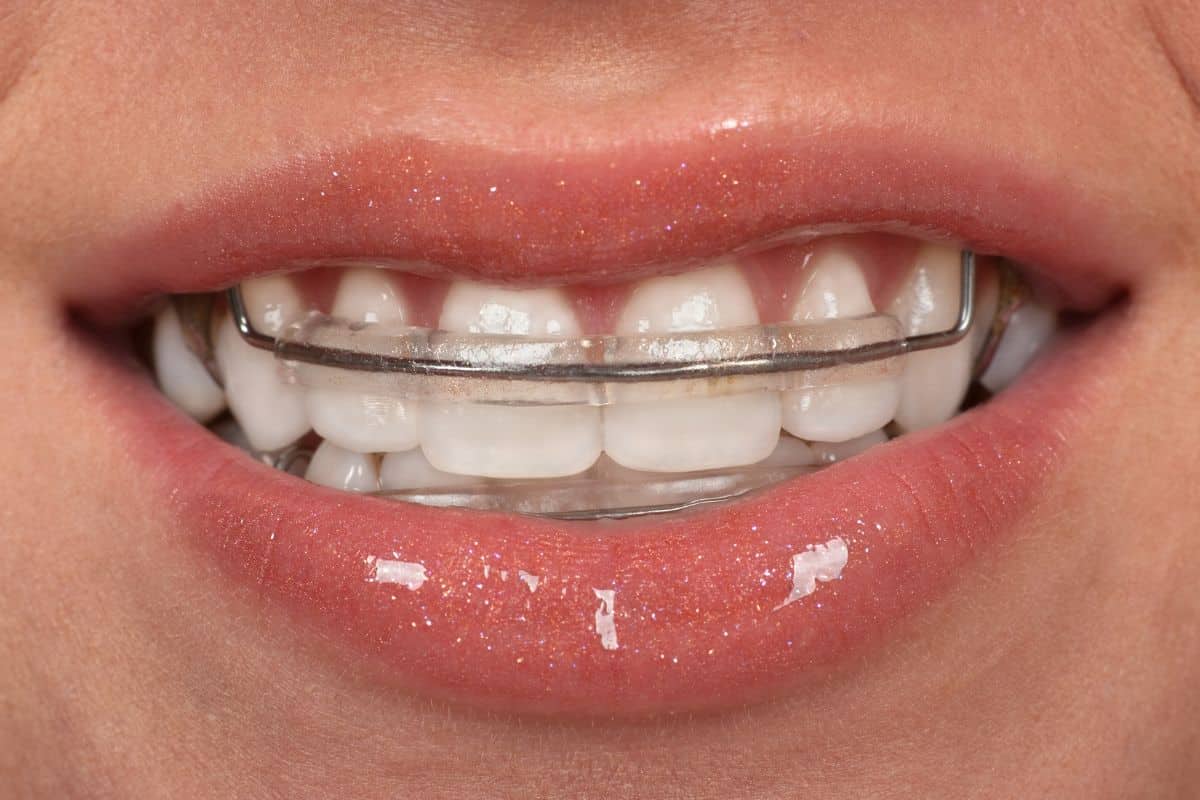
Those who are looking for orthodontic treatment, braces and clear aligners are often the best options. However, retainers are equally important in maintaining the results of teeth straightening. Once your teeth are aligned, a retainer ensures that they stay in their new position. This blog will cover the types of retainers, their benefits, and why they are an essential part of any orthodontic treatment plan.
Why Do You Need a Retainer After Braces?
After months or even years of wearing braces or aligners, your teeth finally reach their ideal position. But the work doesn’t end there. Teeth have a natural tendency to shift back to their original position over time. This is because the tissues and bones surrounding your teeth need time to settle after orthodontic treatment. Without the use of a retainer, all the hard work and investment in straightening your teeth can be lost. A retainer helps maintain your new smile by keeping your teeth in place as your mouth adjusts to its new structure.
Types of Retainers
There are different types of retainers available, each with its own benefits and drawbacks. Choosing the right retainer for your needs often depends on your lifestyle and the specific needs of your teeth. Here are the three main types of retainers:
- Hawley Retainer
The Hawley retainer is one of the most common types of removable retainers. It consists of a metal wire that wraps around the front teeth and is attached to an acrylic plate that rests on the roof of the mouth or behind the lower teeth. This type of retainer is durable and adjustable, meaning it can be modified if small adjustments are needed.
- Clear Plastic Retainers
Clear plastic retainers, also known as Essix retainers, are another popular option. These are similar to clear aligners and are custom-made to fit over your teeth. Clear plastic retainers are less noticeable, making them a great option for those who want a more discreet look. However, they are more prone to wear and tear compared to the Hawley retainer and may need to be replaced more often.
- Fixed Retainers
A fixed or permanent retainer consists of a thin metal wire bonded to the back of your teeth. This type of retainer is not removable and is often recommended for patients who are at a high risk of having their teeth shift back. While fixed retainers are highly effective in maintaining tooth alignment, they can make it more difficult to clean your teeth and gums, increasing the risk of plaque buildup.
How Long Should You Wear a Retainer?
One of the most common questions people ask after completing orthodontic treatment is, “How long do I need to wear a retainer?” The answer depends on your specific case, but generally, orthodontists recommend wearing a retainer full-time for the first few months after your braces are removed. After that, you may be able to transition to wearing your retainer only at night. Some people may need to wear a retainer at night indefinitely to maintain their straight teeth.
It’s important to follow the instructions given by your orthodontist. Failing to wear your retainer as recommended can cause your teeth to shift, and you may need additional treatment to realign them.
The Benefits of Wearing a Retainer
Retainers do more than just keep your teeth straight. Here are some additional benefits of wearing a retainer after orthodontic treatment:
- Maintains Tooth Alignment
The primary function of a retainer is to keep your teeth in their new position. By wearing a retainer regularly, you prevent your teeth from moving back to their original state, ensuring that your straight smile stays intact for years to come.
- Improves Oral Health
Straight teeth are easier to clean and maintain. By keeping your teeth in proper alignment, retainers help reduce the risk of plaque buildup, tooth decay, and gum disease. Additionally, some retainers, especially the fixed type, can prevent tooth grinding, which protects your enamel and reduces the risk of wear and tear.
- Supports Bone Restructuring
After orthodontic treatment, your jawbone needs time to harden around the new position of your teeth. Wearing a retainer helps in this process by holding your teeth in place while your jawbone adapts to its new structure.
- Prevents Speech Problems
In some cases, misaligned teeth can cause speech issues, such as lisping or unclear pronunciation. After correcting your teeth with braces or aligners, wearing a retainer ensures that your improved speech remains clear.
How to Care for Your Retainer
Caring for your retainer is essential to ensure it remains effective in maintaining your teeth. Here are some tips to keep your retainer in good shape:
- Clean your retainer daily: Just like your teeth, retainers need to be cleaned to prevent bacteria buildup. Use a soft toothbrush and non-abrasive toothpaste to clean removable retainers.
- Avoid hot water: Hot water can warp plastic retainers, making them ineffective. Always use lukewarm water to clean your retainer.
- Store it properly: When not in use, always store your retainer in its case to prevent damage or loss.
- Avoid harsh chemicals: Do not use bleach or other harsh chemicals to clean your retainer, as this can cause damage.
- Visit your orthodontist regularly: Regular check-ups with your orthodontist are crucial to ensure your retainer is still fitting properly and working effectively.
Looking For Retainer?
Retainers are an essential part of maintaining your teeth after orthodontic treatment. They will ensure that your teeth stay in perfect alignment after braces or clear aligners. If you’re considering orthodontic treatment or need a retainer to maintain your smile, consult with a local orthodontist Victorville is a great place to start. At Kelly Smile Dentistry, we are committed to providing the highest quality dental care in Victorville, CA. Contact us today to schedule a consultation and keep your smile in top shape.