
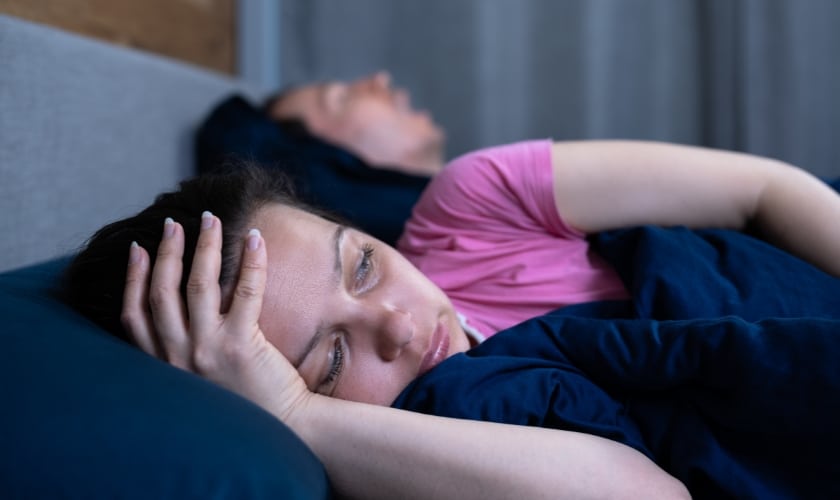
Sleep apnea is a sleep disorder that affects millions of people around the world, and it can have especially significant impacts on older adults. If you or a loved one are an elderly individual living with sleep apnea, it’s crucial to understand the unique considerations and challenges that come with managing this condition in later years. In this blog post, we’ll delve into what sleep apnea is, its causes, and how it can affect an elderly person’s life. We will also explore various treatment options specifically tailored for older adults dealing with sleep apnea. So grab a cup of tea (or coffee!) and let’s dive right in!
What is Sleep Apnea?
Sleep apnea is a common yet often misunderstood sleep disorder. Simply put, it is characterized by pauses in breathing or shallow breaths during sleep. These interruptions can happen multiple times throughout the night, leading to fragmented and poor-quality sleep.
There are three main types of sleep apnea: obstructive sleep apnea (OSA), central sleep apnea (CSA), and complex/mixed sleep apnea. OSA is the most prevalent type and occurs when the muscles in the throat relax, causing a blockage of airflow. CSA, on the other hand, happens when there is a disruption in the brain’s respiratory control center. Complex/mixed sleep apnea refers to individuals who experience both obstructive and central components.
The symptoms of sleep apnea can vary from person to person but commonly include loud snoring, daytime fatigue, morning headaches, difficulty concentrating, irritability, and restless nights. It’s important to note that not everyone who snores has sleep apnea; however, chronic snoring should still be evaluated by a healthcare professional.
If left untreated, sleep apnea can have serious consequences for an elderly person’s overall health and well-being. So understanding its causes is essential in effectively managing this condition for older adults.
What Causes Sleep Apnea?
Sleep apnea is a common sleep disorder that affects people of all ages, including the elderly. It occurs when the muscles in the throat fail to keep the airway open during sleep, causing brief pauses in breathing. While there can be multiple factors contributing to sleep apnea, several key causes are often observed.
One major cause of sleep apnea is excess weight or obesity. The extra fat around the neck and throat can put pressure on the airway, making it more likely to collapse during sleep. Additionally, age-related changes in muscle tone and elasticity can also contribute to this condition.
Another factor that may lead to sleep apnea is anatomical abnormalities such as a deviated septum or enlarged tonsils or adenoids. These structural issues can obstruct normal airflow and increase the risk of breathing problems during sleep.
Certain lifestyle habits like smoking and alcohol consumption can also play a role in developing sleep apnea. Smoking irritates the airways and increases inflammation, while alcohol relaxes muscles and hinders proper breathing function.
Medical conditions such as diabetes, hypertension (high blood pressure), congestive heart failure, and hormonal disorders like hypothyroidism have been linked to an increased risk of developing sleep apnea.
In some cases, family history may indicate a genetic predisposition for this condition. If close relatives have been diagnosed with sleep apnea before, individuals should be aware of their own susceptibility.
Understanding what causes sleep apnea is crucial for effective management strategies tailored specifically for each individual’s needs.
How Can Sleep Apnea Affect an Elderly Person’s Life?
Sleep apnea is a common sleep disorder that can significantly impact the lives of older adults. This condition, characterized by pauses in breathing during sleep, can lead to a variety of physical and mental health issues for elderly individuals.
One way that sleep apnea can affect an elderly person’s life is through excessive daytime fatigue. When someone with sleep apnea repeatedly stops breathing throughout the night, it disrupts their normal sleep patterns and prevents them from entering into deep, restorative stages of sleep. As a result, they often wake up feeling tired and unrefreshed.
In addition to fatigue, untreated sleep apnea can also contribute to cognitive decline in older adults. Research has shown that chronic oxygen deprivation caused by this condition may increase the risk of developing memory problems and dementia.
Furthermore, sleep apnea has been linked to cardiovascular issues such as high blood pressure, heart disease, and stroke. The repeated drops in oxygen levels during episodes of paused breathing put strain on the heart and blood vessels over time.
Sleep apnea can also have negative effects on emotional well-being. Many older adults with this condition experience mood disturbances such as depression or irritability due to poor quality of sleep.
Managing sleep apnea in the elderly requires careful attention and treatment. By addressing this disorder promptly through interventions like continuous positive airway pressure (CPAP) therapy or lifestyle changes such as weight loss or avoiding alcohol before bed, seniors can improve their overall quality of life and reduce associated health risks
Treatment of Sleep Apnea in the Elderly
When it comes to managing sleep apnea in the elderly, there are several treatment options available that can help improve their quality of life. One common approach is continuous positive airway pressure (CPAP) therapy. This involves wearing a mask over the nose or mouth during sleep, which delivers a constant flow of air to keep the airways open.
Another treatment option for older adults with sleep apnea is oral appliance therapy. This involves wearing a custom-made device that helps reposition the jaw and tongue to prevent airway obstruction during sleep.
In some cases, lifestyle changes can also be effective in managing sleep apnea. Losing weight, avoiding alcohol and sedatives before bed, and sleeping on your side instead of your back can all help reduce symptoms.
For more severe cases of sleep apnea, surgery may be recommended as a last resort. Surgical procedures such as uvulopalatopharyngoplasty (UPPP), where excess tissue in the throat is removed, or maxillomandibular advancement (MMA), which moves the upper and lower jaws forward to enlarge the space behind the tongue, may be considered.
It’s important for older adults with sleep apnea to work closely with their healthcare provider to determine which treatment option is best for them. By finding an effective management strategy, they can improve their overall well-being and enjoy better quality sleep.
Conclusion
Managing sleep apnea in the elderly requires careful consideration and specialized treatment. Recognizing the symptoms, understanding the causes, and seeking appropriate treatment are essential steps in managing this common sleep disorder.
By addressing underlying health conditions, making lifestyle changes, using continuous positive airway pressure (CPAP) therapy or other oral devices, and seeking professional medical advice, older adults with sleep apnea can effectively manage their symptoms and improve their well-being. If you or a loved one suspect sleep apnea as a potential concern, it is crucial to consult with a healthcare professional for proper diagnosis and guidance.