
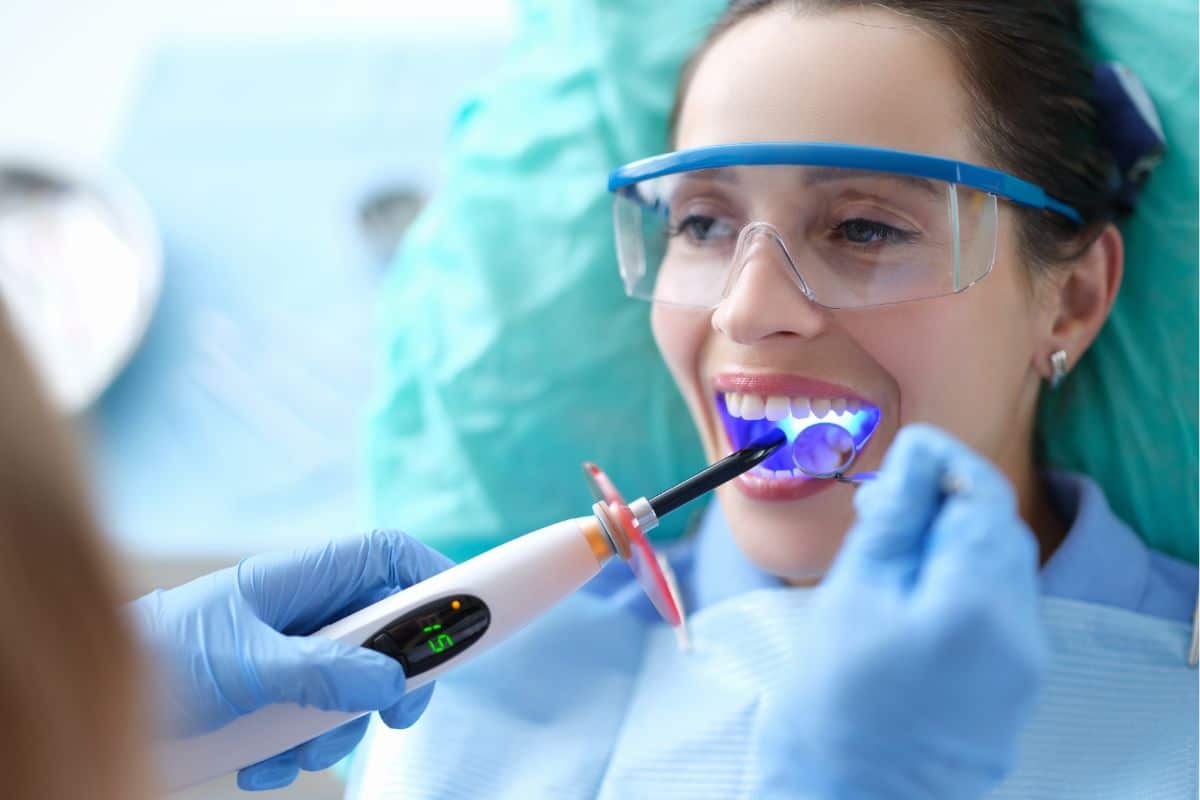
Dental bonding is a popular and effective cosmetic procedure that can improve the appearance of your teeth. Whether you’ve had a tooth chipped, discolored, or you’re looking to close small gaps, bonding offers a quick and affordable solution. However, like any dental treatment, the longevity of your dental bonding depends largely on how well you care for it. Because the bonding material is not as strong as natural enamel, it requires careful maintenance to prevent wear, staining, and damage over time.
Daily Oral Hygiene
Good oral hygiene is the foundation for making sure your dental bonding lasts. Just like you natural teeth, you need to clean thoroughly the bonded teeth to prevent plaque buildup, which can lead to discoloration and decay. Brushing at least twice a day with a soft-bristled toothbrush and fluoride toothpaste is essential. Be sure to use gentle, circular motions to avoid putting too much pressure on the bonded areas, which could cause them to wear down more quickly.
Flossing daily is also crucial. Plaque and food particles accumulate between your teeth and around the edges of the bonding, leading to potential problems if not removed regularly. When flossing, be careful not to snap the floss against your bonded teeth, as this can cause the bonding material to chip or lift.
Watch What You Eat
The foods and drinks you consume can significantly impact the lifespan of your dental bonding. It’s important to be mindful of your diet because certain items create stains or weaken the bonding material. Foods and drinks like coffee, tea, red wine, and berries are common culprits for staining. If you do indulge in these, try to rinse your mouth with water afterward to reduce the likelihood of staining.
Hard foods such as nuts, ice, or hard candies should be avoided, as they can cause the bonding material to crack or chip. Additionally, habits like chewing on pens, biting your nails, or using your teeth as tools to open packages can damage your bonding and should be avoided.
Regular Dental Check-ups
Visiting your dentist regularly is another key factor in ensuring the longevity of your dental bonding. Regular check-ups allow your dentist to monitor the condition of your bonding and address any issues before they become more serious. During these visits, your dentist can also professionally clean your teeth, removing any surface stains that may have developed on your bonded teeth.
Avoid Teeth Grinding
Teeth grinding, also known as bruxism, can be particularly harmful to dental bonding. The constant pressure and friction from grinding can wear down the bonding material, causing it to crack or chip. If you know that you grind your teeth, especially at night, it’s important to take steps to protect your dental bonding.
Your dentist may recommend wearing a nightguard to protect your teeth while you sleep. This custom-fitted device provides a cushion between your teeth, reducing the impact of grinding and helping to preserve the integrity of your bonding.
Use a Mouthguard for Sports
If you participate in contact sports or activities where there’s a risk of facial injury, wearing a mouthguard is essential to protecting your dental bonding. A mouthguard can help prevent chips, cracks, and other damage that could occur from an impact to the mouth. It’s a small investment that can save you from needing costly repairs down the line.
Whitening Your Teeth
One thing to keep in mind about dental bonding is that the resin material used does not respond to whitening treatments the same way your natural teeth do. If your natural teeth become whiter over time due to whitening products or professional treatments, your bonded teeth may start to look darker in comparison.
To maintain a uniform appearance, it’s a good idea to whiten your teeth before getting bonding, so the dentist can match the resin to your ideal tooth shade. After the bonding procedure, if you want to whiten your teeth, consult your dentist to discuss your options, as they may suggest touching up the bonding material to match your new tooth color.
Avoid Smoking
Smoking is not only harmful to your overall health, but it can also negatively impact the appearance and longevity of your dental bonding. Tobacco can cause significant staining to both your natural teeth and the bonding material, leading to a discolored and uneven smile. If you smoke, quitting is the best way to protect your dental bonding and improve your oral and overall health.
Be Cautious with Home Whitening Products
While over-the-counter whitening products can be effective for natural teeth, they may not be suitable for bonded teeth. Some products contain abrasive ingredients that could wear down the bonding material, making it more susceptible to staining and damage. It’s always best to consult with your dentist before using any whitening products to ensure they are safe for your dental bonding.
Consult With Your Dentist
Dental bonding is a versatile and effective solution for improving the appearance of your smile, but it requires proper care and attention to last. By following these tips, you can help ensure that your dental bonding remains in great condition for years to come. Remember to maintain good oral hygiene, watch your diet, and visit your dentist regularly. If you’re in need of a professional dentist in Victorville, make sure he has expertise and experience in caring for your dental bonding. Taking these steps will keep your smile looking beautiful and healthy, allowing you to enjoy the benefits of dental bonding for a long time.