
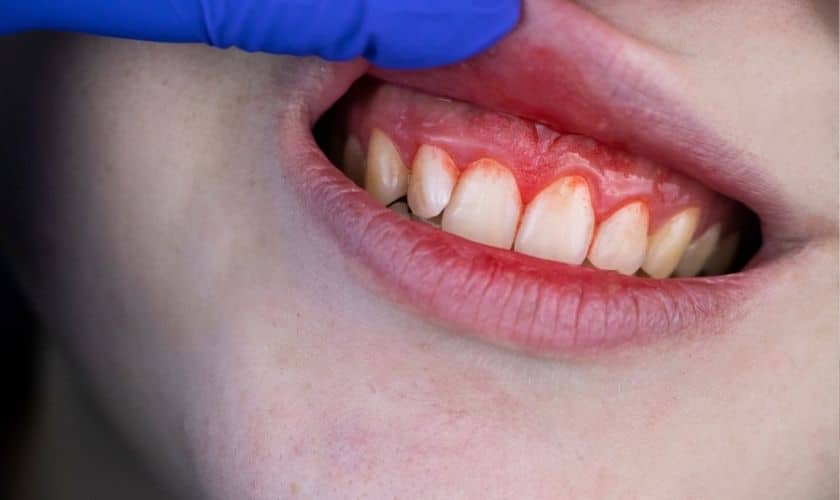
Ever noticed your gums bleeding a bit after brushing? Or maybe they seem a little puffy or sore? These could be signs of periodontal disease, also known as gum disease. But don’t worry, you’re not alone! Gum disease is a super common problem, affecting millions of people around the world. The good news? It’s also highly treatable, especially if caught early.
In this blog, we’ll be diving deep into the world of periodontal treatment, answering all your burning questions: what causes it, what are the symptoms, and most importantly, how can you treat it? By the end, you’ll be equipped with the knowledge to keep your smile sparkling and your gums healthy!
What is Periodontal Disease?
Think of your teeth like little trees. They need strong roots (your jawbone) and healthy soil (your gums) to thrive. Periodontal disease is like a storm that weakens the soil around your teeth. It’s an infection in your gums and the bone supporting your teeth. Left untreated, this infection can destroy the bone and even lead to tooth loss. Yikes!
What Causes Periodontal Disease?
The main culprit behind gum disease is plaque, that sticky film that builds up on your teeth. Plaque is full of bacteria that love to munch on sugar and starches leftover from your meals. As these bacteria multiply, they irritate your gums, causing inflammation. If you don’t remove plaque regularly through brushing and flossing, it can harden into tartar (also called calculus), which is even tougher to get rid of. This ongoing irritation and infection is what sets the stage for periodontal disease.
Here are some other factors that can increase your risk of gum disease:
- Smoking: Smokers are much more likely to develop gum disease than non-smokers. Smoking weakens your immune system’s ability to fight off infection.
- Diabetes: People with diabetes have a harder time controlling their blood sugar levels, which can create an environment where bacteria thrive.
- Family history: If your parents or siblings have had gum disease, you might be more prone to it as well.
- Certain medications: Some medications can cause dry mouth, which can reduce the natural cleansing action of saliva in your mouth.
- Poor nutrition: A diet lacking in essential vitamins and minerals can make it harder for your gums to stay healthy.
Recognizing the Signs: Symptoms of Periodontal Disease
Gum disease is sneaky! It often starts with mild symptoms that you might brush off. But don’t ignore these early warning signs:
- Bleeding gums: This is one of the most common and noticeable symptoms. Healthy gums shouldn’t bleed when you brush or floss.
- Red, swollen, or tender gums: Inflamed gums will often appear red, puffy, and feel sore to the touch.
- Bad breath (halitosis): Persistent bad breath can be a sign of gum disease, as bacteria produce unpleasant odors.
- Loose teeth: As the infection progresses, it can start to break down the bone supporting your teeth, making them feel loose or wiggly.
- Receding gums: This is when your gums pull away from your teeth, making them appear longer.
- Pus between your teeth and gums: This is a sign of a deeper infection.
Treatment Options for Periodontal Disease
The good news is that periodontal disease is very treatable, especially if caught early. The type of treatment you’ll need will depend on the severity of your condition. Here’s a breakdown of the most common treatments:
- Professional cleaning: This is the first line of defense. A dentist or hygienist will use special tools to remove plaque and tartar buildup from above and below the gum line. This is often referred to as scaling and root planing.
- Antibiotics: In some cases, your dentist might prescribe antibiotics to help fight the infection.
- Deep cleaning (scaling and root planing): For more advanced cases, a deep cleaning might be necessary. This procedure is similar to a regular cleaning, but it goes deeper to remove plaque and tartar from below the gum line.
- Surgery: In severe cases where there’s significant bone loss, surgery might be needed to rebuild the bone and support the teeth. This could involve bone grafts or gum tissue grafts.
- Preventing the Storm: Maintaining Healthy Gums.
The best way to deal with gum disease is to prevent it in the first place! Here are some golden rules for keeping your gums happy and healthy:
Brush your teeth twice a day for two minutes each time: Use a soft-bristled brush and fluoride toothpaste to remove plaque and debris from the surface of your teeth and along the gum line.
- Floss daily: Flossing reaches between your teeth and removes plaque and food particles that your toothbrush can’t. Aim for at least once a day, ideally before bed.
- Maintain a healthy diet: Eat a balanced diet rich in fruits, vegetables, and whole grains. These foods provide the vitamins and minerals your gums need to stay strong.
- Schedule regular dental checkups and cleanings: Aim for a checkup and cleaning at least twice a year. This allows your dentist to monitor your gum health and catch any problems early on.
- Consider using an antiseptic mouthwash: An antiseptic mouthwash can help reduce plaque and bacteria levels in your mouth. However, it’s not a substitute for brushing and flossing. Talk to your dentist about whether an antiseptic mouthwash is right for you.
- Quit smoking: Smoking is one of the worst things you can do for your oral health. If you smoke, quitting is the single best thing you can do to improve your gum health.
Finding the Right Care: Periodontist vs. Dentist vs. Orthodontist in Victorville
Now you might be wondering, “Who should I see for treatment?” Here’s a quick guide to help you navigate the dental world:
Dentist in Victorville: A general dentist is your first point of contact for all things teeth-related. They can diagnose and treat early stages of gum disease through professional cleanings and basic procedures.
Periodontist in Victorville: A periodontist is a specialist who focuses on the prevention, diagnosis, and treatment of gum disease. They have advanced training and expertise in treating more advanced cases of gum disease, including deep cleanings and surgery.
Orthodontist in Victorville: An orthodontist specializes in correcting misaligned teeth and bite problems. While they might not directly treat gum disease, they can sometimes recommend treatment for gum issues if it’s affecting your orthodontic treatment plan.
Remember, maintaining healthy gums is crucial for a healthy smile and overall well-being. By following these tips and seeking professional help when needed, you can keep your gums happy and your teeth strong for years to come!
If you’re experiencing any symptoms of gum disease in Victorville, don’t hesitate to reach out to a qualified dentist or periodontist for a consultation.