
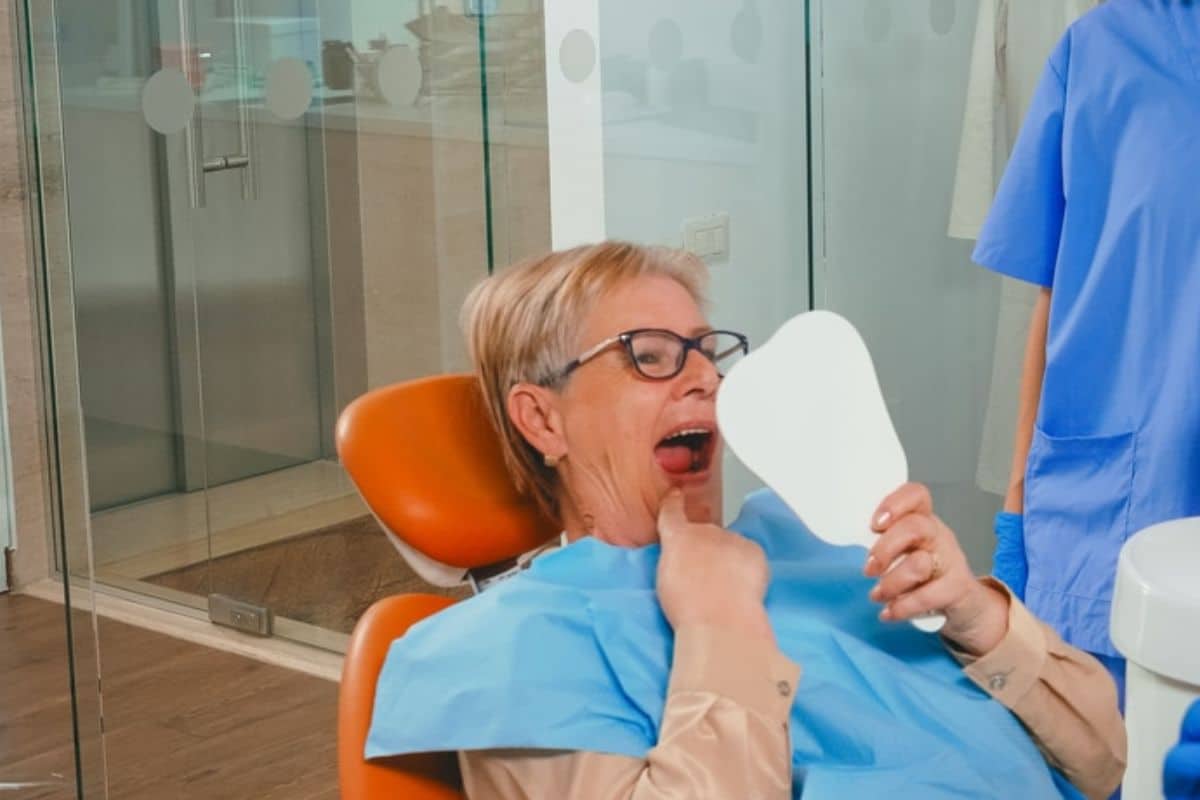
Dental implants are one of the reliable solutions to restore a missing tooth that last-long. They look natural, feel secure, and can last for many years with the right care. Unlike dentures or bridges, an implant anchors directly into the jawbone, which makes it stable and allows it to mimic real teeth.
But what happens if your dental implant starts to feel loose? Should you be concerned?
A loose dental implant is not a normal occurrence and can indicate a problem that needs immediate attention.
In this article, we’ll explain why implants may feel loose, what causes it, and what steps you should take to protect your dental health.
How Dental Implants Work
To understand why a dental implant might feel loose, it helps to first know how implants are designed to work.
A dental implant consists of three parts:
Implant post – A titanium screw placed into your jawbone that acts as the tooth root.
Abutment – A connector that helps connect the crown with the implant post.
Crown – The artificial tooth that’s customized to match your natural tooth.
After the placement of the implant post, it seamlessly blends with your jawbone. This typically takes a few months but results in a strong, stable foundation for your replacement tooth.
With a success rate of 97% over a period of 10 years, implants are now considered a reliable solution for missing teeth.
When the post blends with the jawbone, the implant becomes a permanent part of your mouth. So if you start to notice movement, it’s a sign something isn’t working as it should.
What Causes My Tooth Implant To Feel Loose?
There are several possible reasons why your implant might feel like it’s shifting or unstable.
1. The Crown or Abutment May Be Loose
It’s not the implant itself that’s causing the problem, it’s the crown or abutment that may make the implant feel loose. If the crown or connector becomes loose, it may feel like the entire implant is moving.
2. Bone Loss Around the Implant
A stable implant relies on a healthy jawbone to hold it in place. If the bone around the implant starts to break down, the post can loosen over time. Bone loss can occur due to gum disease, infection, or even aging.
You might not feel any symptoms at first, but over time the implant may start to move or feel less secure.
3. Peri-Implantitis (Infection Around the Implant)
Peri-implantitis is a form of gum disease that affects the tissues and bone surrounding an implant. It often begins with inflammation in the gums and can lead to bone loss if not treated.
Warning signs may include:
- Swollen or bleeding gums
- Discomfort or pain around the implant
- Bad breath or a bad taste
- A wobbly or shifting implant
Like periodontal disease, peri-implantitis can progress quickly if left untreated.
4. Failed Osseointegration
Sometimes, the implant fails to properly bond with the bone. This can happen if the implant is placed in a weak bone, or if there are underlying health conditions that affect healing, such as diabetes, autoimmune disorders, or smoking.
When osseointegration fails, the implant may never feel truly stable and can become loose soon after placement.
5. Teeth Grinding or Clenching (Bruxism)
Chronic grinding or clenching can put a lot of pressure on dental implants. Over time, this extra force may weaken the implant’s connection to the bone or damage surrounding structures.
What Should You Do If Your Implant Feels Loose?
If your implant feels loose, don’t wait for it to improve on its own. Early action is the best way to prevent further damage.
Here’s what you should do:
- Call your dentist immediately. A quick exam can determine whether the implant, abutment, or crown is the issue.
- Avoid chewing on that side. Putting pressure on the loose area can worsen the problem.
- Keep the area clean. Brush gently around the implant, and rinse with warm salt water if advised.
- Watch for other symptoms. Pain, swelling, bleeding, or a bad taste may suggest infection and should be addressed promptly.
What Can I Do To Save My Loose Implant?
If it’s just the crown or abutment that’s loose, a simple adjustment may be all that’s needed. If there’s infection or bone loss, treatment can help manage the condition and save the implant.
However, if the implant itself has failed or the bone has deteriorated too much, removal may be necessary. In such cases, your dentist may recommend bone grafting or other procedures to prepare for a future implant.
How to Prevent Dental Implant Problems
Just like natural teeth, dental implants require care and maintenance. You should:
Stick to Good Oral Hygiene
Brush twice a day with a soft-bristled toothbrush. Floss once a day, and consider using an antimicrobial mouth rinse if recommended.
Visit Your Dentist Regularly
Routine check-ups and cleanings help detect early signs of implant issues before they become serious.
Treat Gum Problems Right Away
Swollen or bleeding gums can be an early sign of peri-implantitis. The sooner it’s treated, the better the outcome.
Use a Night Guard If You Grind Your Teeth
A custom night guard can protect your implant and other teeth from the damaging effects of bruxism.
Avoid Tobacco Use
Smoking and chewing tobacco affect healing and increase the risk of implant failure. If you smoke, talk to your dentist about support for quitting.
Is Your Implant Loose? Schedule a Visit with Us
A dental implant is designed to be secure and feel like a natural part of your mouth. If it feels loose or wobbly, that’s a sign something isn’t right and it’s not something to ignore.
At Kelly Smile Dentistry, we’re here to help you protect your investment and your smile. Whether you’re experiencing discomfort, noticing movement, or just want peace of mind, schedule an appointment with our team today and let us help keep your smile strong, stable, and healthy.