
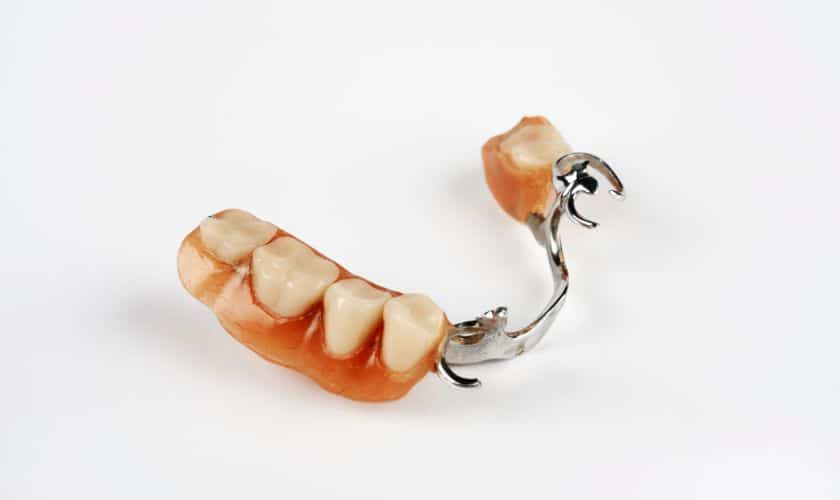
Dentures are a common and effective solution for individuals facing tooth loss, offering a renewed ability to chew, speak, and smile confidently. However, over time, changes in the mouth’s structure can lead to the need for denture relines and adjustments. In this blog post, we’ll explore the importance of relines and adjustments, the signs that indicate when they are necessary, and what individuals can expect during the process.
Understanding Denture Relines:
- Why Do Dentures Need Relining? Dentures rely on a snug fit to the contours of the mouth. Over time, changes in bone structure, gum tissues, and jaw alignment can occur, leading to a loosening of the dentures. A reline involves reshaping the base to ensure optimal fit and functionality.
- Types of Denture Relines: There are two primary types of denture relines: soft relines and hard relines. Soft relines use a pliable material for enhanced comfort, while hard relines involve the use of a more rigid material for improved durability.
- Signs that Your Dentures Need Relining:
- Loose fit or slipping during normal activities
- Difficulty chewing or speaking
- Sore spots or irritation on the gums
- Changes in facial appearance or discomfort
Denture Adjustments:
- Why Do Dentures Require Adjustments? Adjustments may be needed to address issues such as uneven pressure on the gums, bite problems, or changes in the way the dentures interact with natural teeth (in the case of partial dentures).
- Common Reasons for Denture Adjustments:
- Sore spots or irritation
- Difficulty speaking or eating
- Changes in the bite or alignment
- Wear and tear on the denture teeth
The Denture Relining and Adjustment Process:
- Consultation with Your Dentist: Schedule a consultation with your dentist if you notice any signs of discomfort or changes in denture fit. A thorough examination will help determine whether a reline or adjustment is necessary.
- Impressions and Molds: For relines, impressions of your mouth are taken to create an accurate mold. Adjustments may involve modifying specific areas of the denture to improve fit and comfort.
- Soft Relines vs. Hard Relines: Your dentist will recommend either a soft or hard reline based on your specific needs and preferences.
- Follow-Up Appointments: After the reline or adjustment, multiple follow-up appointments may be necessary to fine-tune the fit and address any additional concerns.
Conclusion:
Denture relines and adjustments are essential aspects of maintaining optimal oral health and comfort for individuals with dentures. Regular check-ups with your dentist can help identify any issues early on, ensuring that your dentures continue to provide a secure fit and function as intended. If you experience any discomfort or notice changes in the fit of your dentures, don’t hesitate to reach out to your dental professional for personalized care and adjustments tailored to your unique needs.