
Dental implants are one of the most trusted ways to replace missing teeth. They look and feel like natural teeth and can last for decades with the right care. But here’s something many patients don’t realize: your gums play a major role in whether an implant will succeed or fail.
If your gums aren’t healthy, your implant doesn’t have the support it needs to stay in place. That’s why understanding and managing gum disease is such an important part of the dental implant process.
Studies show that implants do succeed long-term at 90-95% rate, but gum infections like peri‑implantitis remain a frequent complication over time .
Let’s take a closer look at how gum health affects implants, and what you can do to make sure your mouth is ready.
What Are Dental Implants and How Do They Work?
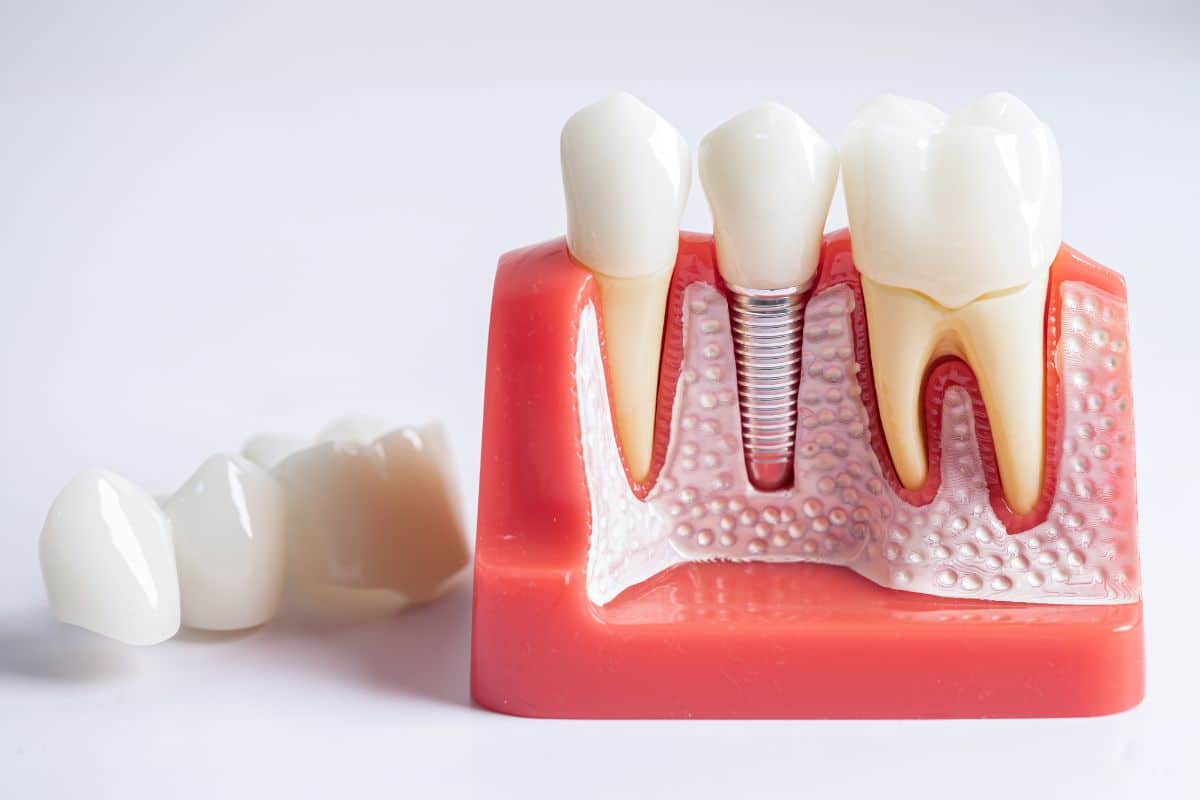
A dental implant is a small post, usually made of titanium, that’s placed into your jawbone where a tooth is missing. Over time, the bone grows around it, holding it firmly in place. Then, a crown is attached on top to complete your smile.
For this process to work, the bone and gum around the implant need to be in good shape. Without healthy tissue, the implant can become loose — or worse, fail completely.
What Is Gum Disease and Why Does It Matter?
Gum disease is an infection of the tissues that support your teeth. In its early stage, called gingivitis, your gums might bleed when you brush or look a little swollen. If it’s not treated, it can turn into periodontitis which is a more serious form that damages the bone holding your teeth (and implants) in place.
Even if you’ve lost a tooth already, gum disease doesn’t stop. It can still affect the tissue where an implant would go.
Can You Get Implants If You Have Gum Disease?
In most cases, gum disease needs to be treated before you can get a dental implant. That’s because the infection can interfere with healing and make it harder for the implant to bond with the bone.
Having gum disease doesn’t mean you can’t get implants. It just means we need to treat the infection and get your mouth healthy first. Once the gums are stable, many patients go on to have successful implant treatment.
What Happens If You Already Have Implants and Develop Gum Problems?
It’s possible to develop a condition called peri-implantitis, which is similar to gum disease but affects the tissues around an implant. You might notice bleeding, tenderness, or even loosening of the implant over time.
The earlier we catch it, the easier it is to manage. Regular check-ups, cleanings, and good at-home care go a long way in keeping your gums (and your implants) in great shape.
How to Keep Your Gums Healthy Before and After Implants
Whether you’re thinking about implants or already have them, protecting your gum health should be part of your daily routine. Here are a few simple steps that make a big difference:
1. Brush twice a day using a soft-bristled toothbrush
2. Floss daily, especially around implants
3. Use an antimicrobial mouth rinse if recommended
4. Avoid smoking, which can slow healing and increase risk of infection
5. See your dentist regularly for cleanings and exams
Treatment Options If You Have Gum Disease and Want Implants
If you’ve been told you have gum disease, don’t panic. There are several ways to treat it and prepare your mouth for implants. These may include:
1. Deep cleaning to remove plaque and bacteria under the gumline
2. Laser therapy or medications to reduce inflammation
3. Bone grafts or other procedures if there’s been bone loss
Every case is different, and that’s why we take time to carefully assess your gum and bone health before recommending implants.
Ready for a Healthier Smile? Let’s Talk About Your Gums and Implants
Healthy gums are the key to making dental implants last. That’s why Kelly Smile Dentistry focuses on more than just replacing teeth, we make sure your entire mouth is ready to support them.
If you’re thinking about dental implants, or have concerns about your gums, schedule your consultation online and visit us. We are conveniently located at 12120 Ridgecrest Rd Suite 203, Victorville, CA 92395.