
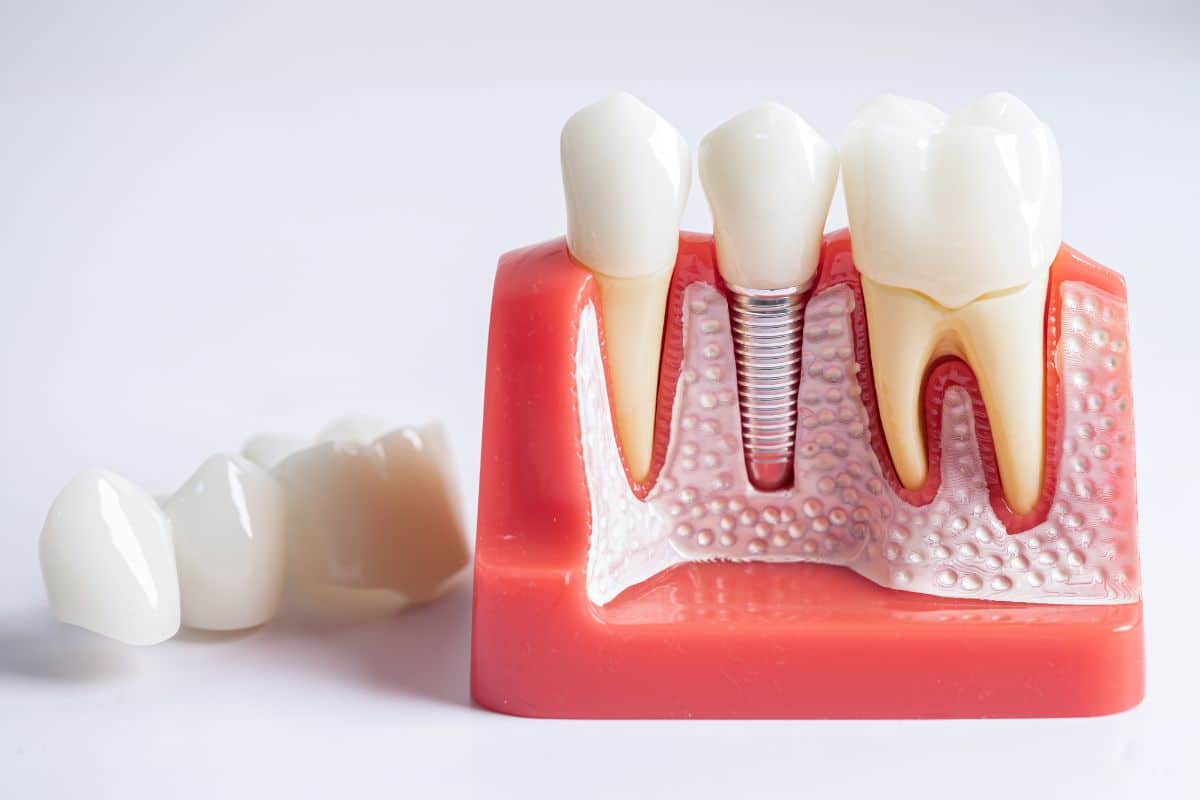
In Victorville, CA, more and more patients are choosing dental implants to restore their smiles, but many worry that gum disease could affect the success of their implants.
Dental implants have high success rates of any medical procedure, with success rates of 95% or higher. However, if you have a history of gum disease, you may wonder if that will prevent you from getting implants.
When patients with gum disease consider dental implants in Victorville and come to Kelly Smile Dentistry for consultation, we assure them that they still qualify for the procedure, as long as the disease is being treated successfully.
Let’s take a closer look.
What is Gum Disease and Why Does It Matter?
Gum disease, also known as periodontal disease, affects the gums and the bone supporting your teeth. It starts as gingivitis, which causes swelling and bleeding in the gums. If untreated, gingivitis can progress into periodontitis, a more severe condition that damages the bone and tissues around your teeth. Over time, this can result in tooth loss.
When it comes to dental implants, healthy gums and bone are essential for the implant to properly integrate with the jawbone. If gum disease has weakened the bone or affected the gums, it could affect the success of the implant. This is why it’s crucial to address gum disease before moving forward with the implant procedure.
Can You Get Dental Implants if You Have Gum Disease?
If you have gum disease, the good news is that you can still qualify for dental implants, but the process requires extra care. It’s important to first get the gum disease under control, as untreated periodontal disease can increase the risk of implant failure.
The first step in the process is treating the gum disease, which could involve scaling and root planing to remove plaque and bacteria from the gums. In more advanced cases, surgery may be necessary to restore the health of the gums and the bone.
For patients who have experienced bone loss due to gum disease, bone grafting may be needed. This procedure adds bone material to the jaw to ensure the implant has a solid foundation.
Steps to Prepare for Dental Implants with Gum Disease
If you’re considering dental implants and have gum disease, the treatment process typically involves these steps:
1. Treating the Gum Disease
Gum disease must be treated and stabilized before moving forward with implants. This might involve deep cleaning to remove plaque and tartar from below the gum line. In severe cases, surgery may be required to repair the gum tissue and bone.
2. Bone Grafting (If Needed)
If gum disease has caused significant bone loss, bone grafting may be necessary. Bone grafting restores the bone structure, ensuring the implant can properly fuse with the jawbone. This step is crucial for patients who have lost a significant amount of bone due to untreated gum disease.
3. Comprehensive Evaluation
A thorough examination is needed to determine if the bone and gums are healthy enough to support an implant. X-rays and advanced imaging tools are used to assess your oral health and plan the placement of your dental implants.
Implant Procedure for Gum Disease Patients
Once your gums are healthy and your bone structure is restored (if necessary), the next step is the dental implant procedure. Here’s what to expect:
1. Placing the Implant
The dental implant is a small titanium post that acts as the root of a missing tooth. During the procedure, the implant is surgically placed into the jawbone. Local anesthesia or sedation can be used to ensure you’re comfortable throughout the procedure.
2. Healing and Integration
After the implant is placed, it will need time to heal and integrate with the bone in a process called osseointegration. This typically takes a few months. During this time, the bone will fuse with the implant, creating a stable foundation for the final crown.
3. Attaching the Crown
Once the implant has fully integrated with the bone, a custom crown is attached. The crown is designed to match the appearance of your natural teeth, completing the restoration.
What Happens if You Get Gum Disease After an Implant?
Even after your implant is placed, it’s important to maintain good oral hygiene to prevent gum disease. Here’s what you need to know if gum disease develops after your implant:
1. Risks of Gum Disease Around Implants
If gum disease develops around your implant (a condition called peri-implantitis), it can cause inflammation, bone loss, and even implant failure. Early detection and treatment are crucial to saving the implant.
2. Signs of Gum Disease After Implants
If you notice redness, swelling, or bleeding around the implant site, or if the implant feels loose, these could be signs of gum disease. Regular dental check-ups are key to identifying any issues early.
3. Treatment for Gum Disease Around Implants
If gum disease develops, it may be treated with scaling and root planing or antibiotics. In more advanced cases, surgery may be required to restore the gums and bone around the implant.
4. Preventing Gum Disease Around Implants
Good oral hygiene is essential. Brush and floss regularly, and visit your dentist for routine check-ups and cleanings. Keeping the gums healthy around your implants will help ensure they last for years to come.
Do You Have Questions About Gum Disease or Implants?
Dental implants are a great way to restore your smile, even if you have a history of gum disease. With the right care and treatment, you can achieve a healthy, beautiful smile that lasts.
If you’re in Victorville and have concerns about your gum health or are considering dental implants, book an appointment to schedule a consultation. Our team is here to answer your questions and help you make informed decisions about your dental care.