
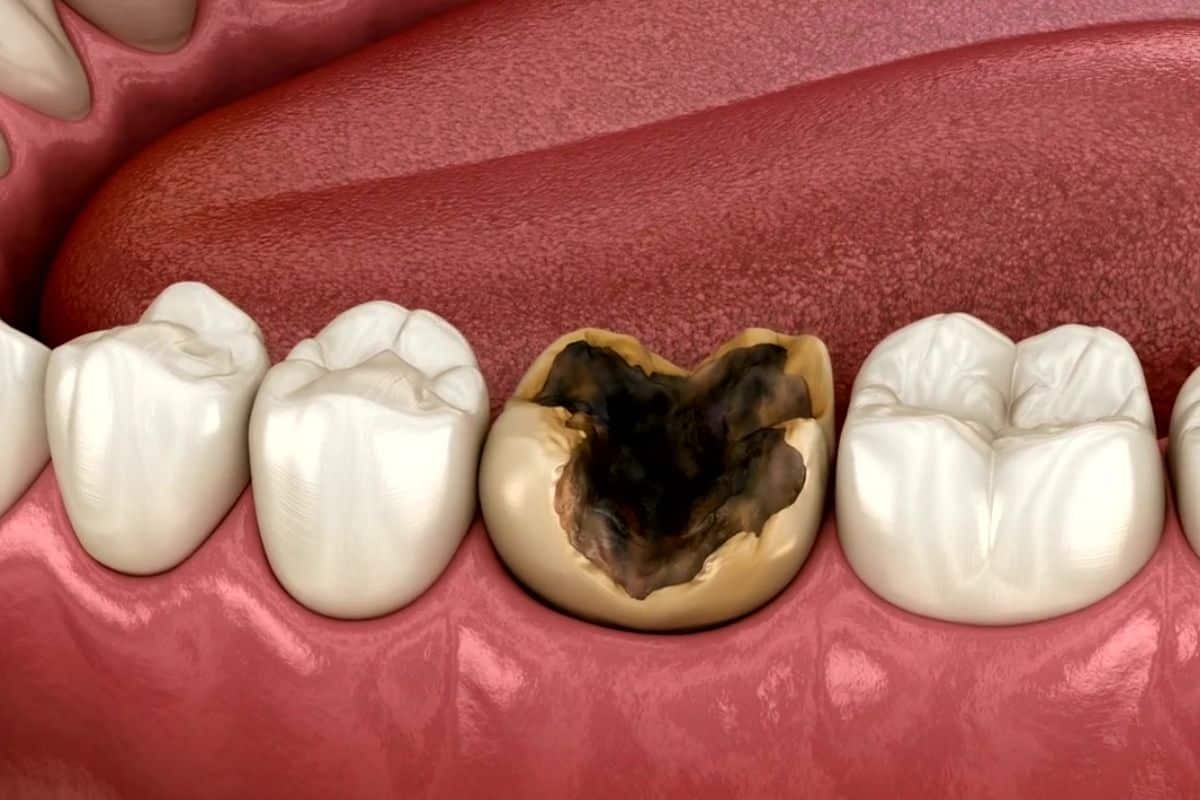
In 2025, oral health is more than just a routine – it’s about adopting habits that not only keep your teeth cavity-free but also support your overall well-being. A healthier smile starts with simple daily steps and by integrating these into your lifestyle you’re investing in your long-term health. Let’s explore how you can protect your teeth from cavities while working towards a straighter and healthier smile.
Brush and Floss Daily
Good oral hygiene begins with the basics but doing them right makes all the difference. Brushing twice a day with fluoride toothpaste is essential, but it’s equally important to focus on technique. Use a soft-bristled toothbrush and angle it at 45 degrees to your gum line, ensuring you clean every surface of each tooth.
Flossing daily is another cornerstone of cavity prevention. It removes food particles and plaque from between your teeth where a toothbrush can’t reach.
Hydration Is Key
Staying hydrated isn’t just good for your body; it’s vital for your oral health. Drinking water throughout the day helps wash away food particles and reduces acidity in your mouth. Additionally, water stimulates saliva production, your natural defense against cavities.
Eat Your Way to a Healthier Smile
Your diet plays a significant role in preventing cavities. Incorporate foods rich in calcium, phosphorus, and vitamins D and K to strengthen your teeth. Crunchy fruits and vegetables, like apples and carrots, help clean your teeth naturally while stimulating saliva production.
Avoid sugary snacks and acidic drinks, as they can erode enamel and promote tooth decay. If you’re craving something sweet, try rinsing your mouth or brushing soon after to minimize its impact.
Regular Dental Visits: A Non-Negotiable Step
Seeing your dentist twice a year is essential for maintaining cavity-free teeth. Regular checkups and cleanings help catch issues early and keep your teeth in top shape. During these visits, your dentist will clean hard-to-reach areas, monitor for cavities, and offer personalized advice for your oral care routine. Prevention is always easier (and less expensive) than treatment.
Protect Your Teeth While Straightening Them
If you’re undergoing orthodontic treatment, maintaining oral hygiene becomes even more crucial. Always clean your orthodontic instruments daily to prevent plaque buildup. Brush your teeth with soft-bristled tooth brush to keep them clear and fresh. Aligners that fit snugly over uncleaned teeth can accelerate the development of cavities.
Combat Cavities with Fluoride
Fluoride is your ally in fighting cavities. This mineral strengthens tooth enamel, making it more resistant to decay. Use fluoride toothpaste, and if recommended by your dentist, consider fluoride treatments during your visits.
Ready to Achieve a Healthy, Straight Smile?
A cavity-free, confident smile is within reach when you take proactive steps every day. At Kelly Smile Dentistry in Victorville, we’re here to help you achieve your oral health goals, whether. Schedule your appointment with us today and let’s work together to create the smile you deserve.
Frequently Asked Question About How to Stay Cavity Free
How often should I brush my teeth to prevent cavities?
Brush your teeth at least twice a day—once in the morning and before bed. Use fluoride toothpaste and spend about two minutes brushing to ensure you remove plaque and bacteria effectively.
Can cavities be reversed in the early stages?
Yes, in the very early stages of tooth decay (before a cavity forms), demineralized enamel can re-mineralize with the help of fluoride toothpaste and dental treatments. However, once a cavity forms, professional dental care is required for restoration.
How does diet affect my risk of getting cavities?
A diet high in sugary and acidic foods can contribute to tooth decay. Limit sugary snacks, drinks, and processed foods. Instead, opt for a balanced diet with plenty of fruits, vegetables, and water to support strong, healthy teeth.
Are dental sealants effective in preventing cavities?
Dental sealants can be a smart preventive option for adults who are more prone to cavities, especially in the hard-to-clean grooves of the back teeth. Sealants are a thin coating applied to the grooves of your back teeth to protect them from bacteria and food particles.
How can I tell if I’m at risk for cavities?
If you have a history of cavities, poor oral hygiene habits, or consume sugary foods frequently, you’re more likely to be at risk. Regular dental checkups will help your dentist identify early signs of tooth decay and advise on preventive measures.