

Toothaches and headaches are two common types of pain that nearly everyone experiences at some point in their lives. While they might seem unrelated at first glance, you might be surprised to learn how interconnected these two issues can be. If you’ve ever wondered whether that persistent tooth pain could be the root cause of your pounding headache, you’re not alone. Let’s dive into the fascinating connection between toothaches and headaches to help you better understand what’s going on inside your body.
How Toothaches Lead to Headaches
Have you ever noticed how pain in one part of your body can sometimes radiate to another? This phenomenon is known as referred pain, and it often explains why a toothache can lead to a headache. The trigeminal nerve connects the teeth to various areas of the face and head, so any irritation can send pain signals throughout its network. This might clarify why your headache coincides with that nagging toothache.

In some instances, the stress caused by a toothache can also contribute to headaches. Chronic dental pain can lead to tension in the jaw muscles, which may result in a tension headache. If you’re clenching or grinding your teeth due to discomfort, you’re essentially overworking those muscles, setting the stage for a headache.
Sinus Infections and Toothaches: A Two-Way Street
Another common connection between toothaches and headaches involves your sinuses. The upper teeth are located very close to the maxillary sinuses. When you have a sinus infection, pressure builds in these air-filled spaces, which can cause pain that feels like a toothache. Conversely, a dental infection in the upper teeth can sometimes irritate the sinuses, leading to a sinus headache.
If you’re experiencing pain in both areas, it’s worth considering whether sinus problems or dental issues might be to blame—or if they’re influencing each other.
The Role of Bruxism in Toothache-Triggered Headaches
Bruxism, or teeth grinding, is a significant factor connecting toothaches and headaches. Many individuals grind their teeth unconsciously, particularly during sleep. This habit can erode enamel, irritate the nerves in your teeth, and put strain on your jaw muscles. Over time, this strain can result in both dental pain and headaches.
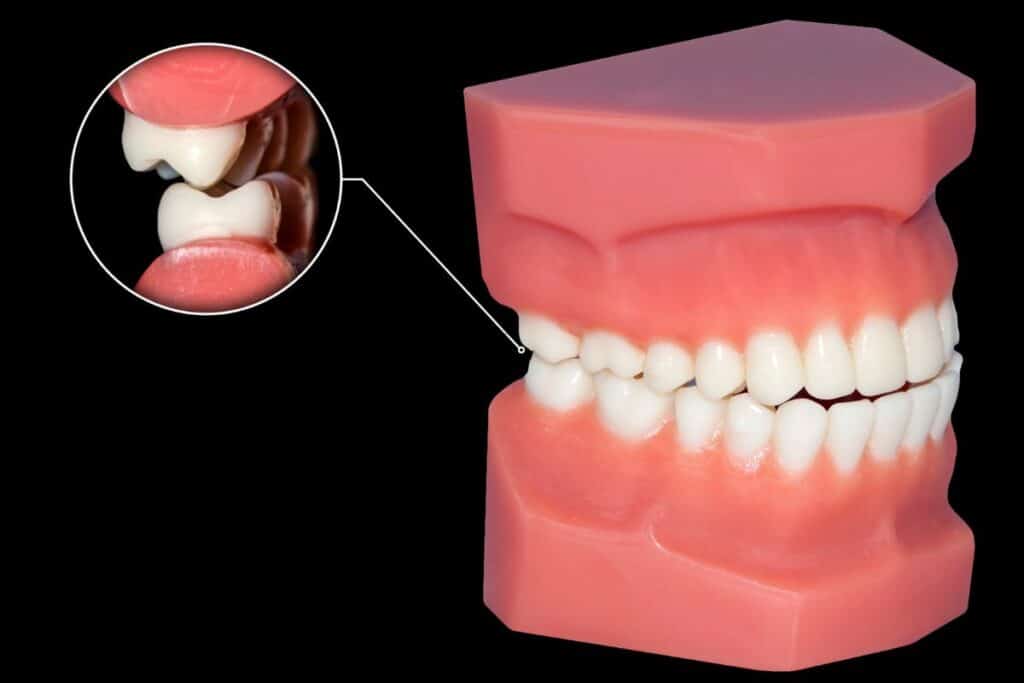
If you think you might be grinding your teeth, watch for other signs such as jaw stiffness, worn-down teeth, or even ear discomfort. A dentist can help determine if bruxism is the issue and suggest solutions like a night guard to relieve the pressure.
When Toothaches and Migraines Collide
For those who suffer from migraines, dental issues can sometimes trigger an episode. The involvement of the trigeminal nerve in both dental pain and migraines creates a connection where one condition can worsen the other. If you already have migraines and then develop a toothache, you may notice that the migraine becomes more severe or occurs more often.
Taking care of the dental problem quickly could help lessen the frequency and intensity of your migraines—yet another reason to prioritize your oral health.
When to See a Dentist
If you’re dealing with a persistent toothache that comes with frequent headaches, it’s crucial to seek professional assistance. A dentist can evaluate your oral health, identify any underlying dental issues, and provide the necessary treatment. If the headaches continue even after addressing dental concerns, it may be wise to consult a doctor or neurologist to explore other possible causes.
Neglecting a toothache in hopes that it will resolve on its own can lead to more serious complications, such as infections or abscesses. These problems can intensify both the tooth pain and any related headaches, making prompt intervention essential.
Tips for Preventing Toothaches and Headaches
While it’s not possible to prevent every toothache or headache, there are several strategies you can adopt to lower your chances of experiencing them:
- Maintain Good Oral Hygiene: Make it a habit to brush your teeth twice a day, floss daily, and schedule regular visits to your dentist for cleanings and check-ups. Keeping cavities and gum disease at bay is essential for preventing toothaches.
- Address Bruxism: If you find yourself grinding your teeth, consult your dentist about a custom mouth guard. Incorporating stress management techniques like yoga or meditation can also help reduce the tendency to clench or grind.
- Stay Hydrated: Dehydration can lead to headaches and dry mouth, so ensure you drink plenty of water throughout the day.
- Pay Attention to Your Bite: Issues with misaligned teeth or jaw can lead to discomfort and headaches. If this sounds familiar, consider exploring orthodontic treatment.
- Be Proactive About Sinus Health: If you frequently suffer from sinus infections, managing allergies and staying ahead of colds can help minimize the risk of related dental pain.
Summary
Whether the cause is a cavity, bruxism, or sinus problems, addressing the root issue can provide relief for both your teeth and your head.
Remember, maintaining your oral health is crucial for your overall well-being. By prioritizing dental care and seeking assistance when pain occurs, you’re not only safeguarding your smile but also potentially preventing those persistent headaches. So, the next time you experience a pounding headache alongside a throbbing tooth, consider the connection between the two—and take steps to feel your best.