
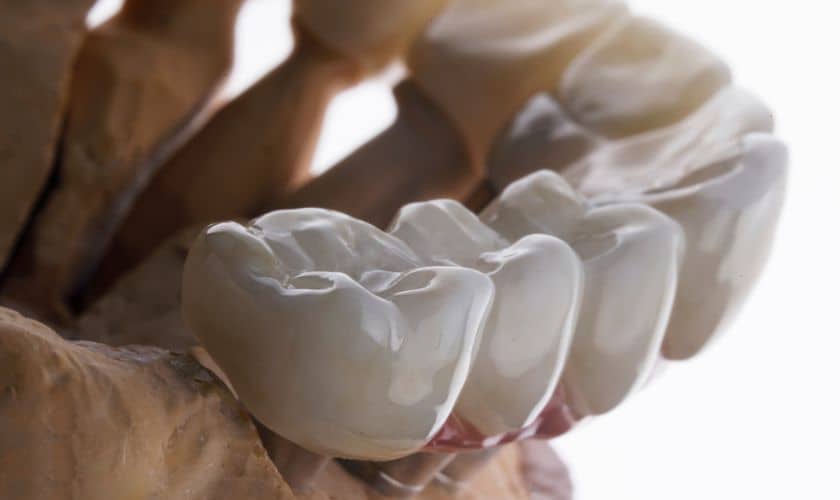
A healthy and functional smile plays a crucial role in our daily lives, influencing not only our appearance but also our ability to eat, speak, and maintain facial structure. For those with missing teeth, dental bridges serve as a transformative solution, not just aesthetically, but also in terms of oral health.
We’ll explore the profound impact of dental bridges on chewing, speaking, and maintaining facial structure.
Chewing Efficiency:
One of the primary functions of teeth is to aid in the chewing and digestion of food. When a tooth is missing, the surrounding teeth may shift over time, leading to misalignment and affecting your bite. Dental bridges act as sturdy replacements, restoring the ability to chew with confidence. This not only enhances the overall eating experience but also ensures proper digestion by breaking down food more effectively.
Speech Clarity:
The presence of missing teeth can impact speech clarity, leading to difficulties in pronouncing certain sounds. Dental bridges play a pivotal role in maintaining proper articulation by filling the gaps caused by missing teeth. With a well-designed and securely anchored bridge, individuals can regain their natural speech patterns, boosting confidence in social and professional settings.
Facial Structure Maintenance:
Beyond the functional aspects, missing teeth can contribute to changes in facial structure over time. The loss of tooth roots can result in bone resorption, causing the jawbone to shrink. This, in turn, can lead to a sunken appearance, premature aging, and alterations in facial contours. Dental bridges, by replacing missing teeth and stimulating the underlying jawbone, help preserve facial structure. This prevents the sagging and hollowing often associated with tooth loss, promoting a more youthful and well-supported facial appearance.
Preventing Shifting of Adjacent Teeth:
When a tooth is missing, adjacent teeth may gradually shift to fill the gap, leading to misalignment and potential bite issues. Dental bridges act as placeholders, preventing neighboring teeth from moving out of their proper positions. This not only maintains the alignment of your natural teeth but also ensures a stable foundation for overall oral health.
Boosting Confidence and Self-Esteem:
In addition to the functional benefits, dental bridges contribute significantly to an individual’s confidence and self-esteem. A complete and radiant smile can positively impact social interactions and professional relationships, promoting a more fulfilling and enjoyable life.
Conclusion:
Dental bridges go beyond the cosmetic aspect of restoring a complete smile. They play a vital role in enhancing oral health, ensuring efficient chewing, maintaining clear speech, and preserving facial structure. If you have missing teeth, consulting with a qualified dentist to explore the option of bridges can lead to a transformative journey toward improved oral function, aesthetics, and overall well-being. A healthy and functional smile is not just about appearances; it’s about enjoying life to the fullest with the confidence that comes from a complete and well-maintained set of teeth.